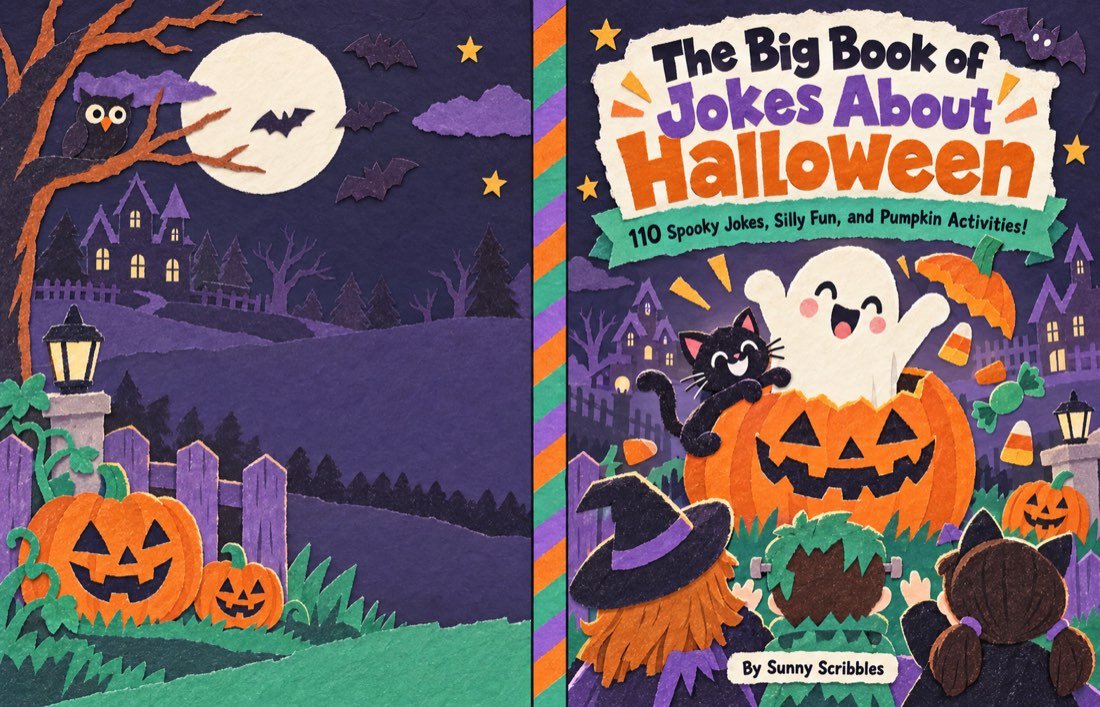
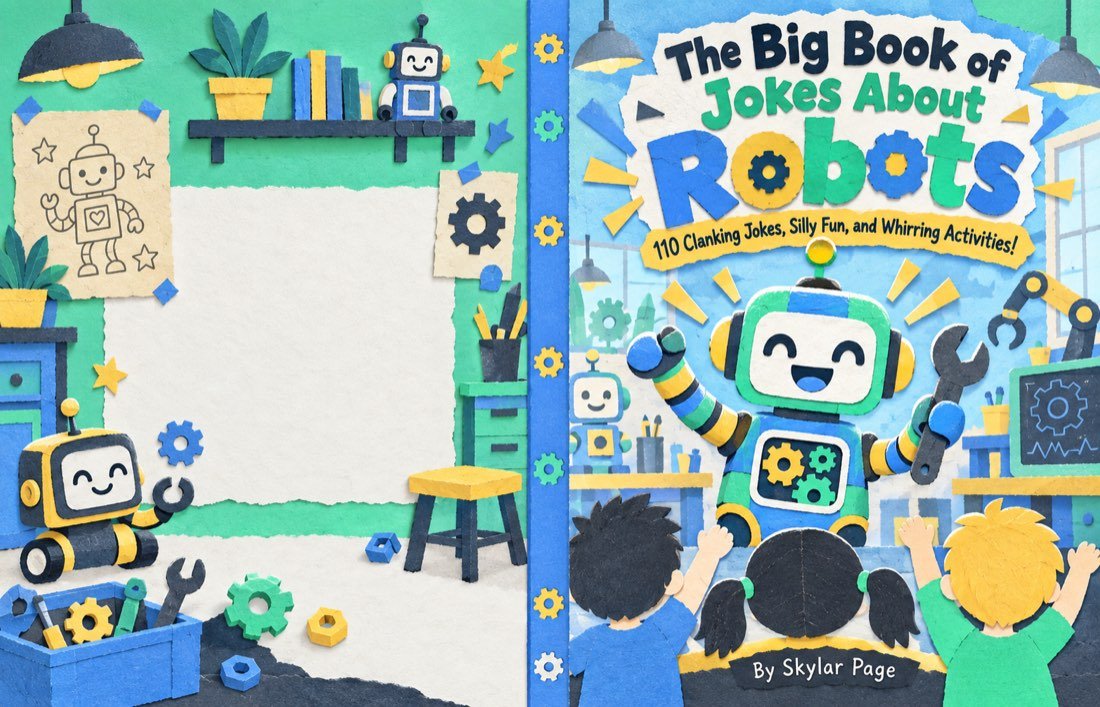
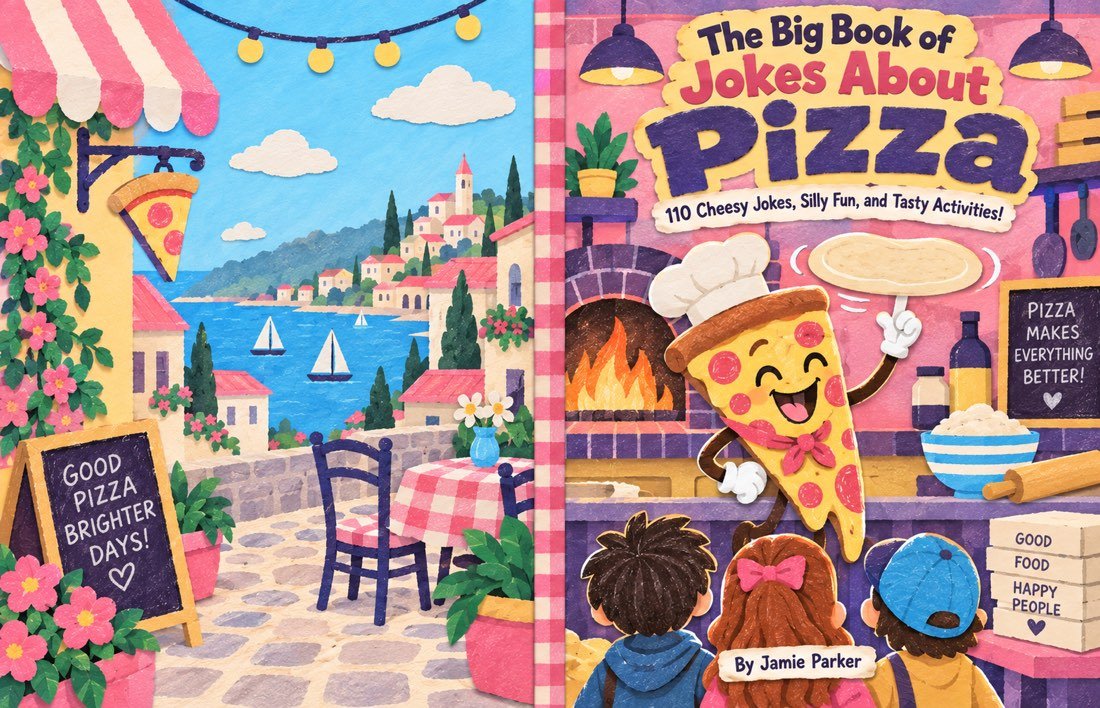
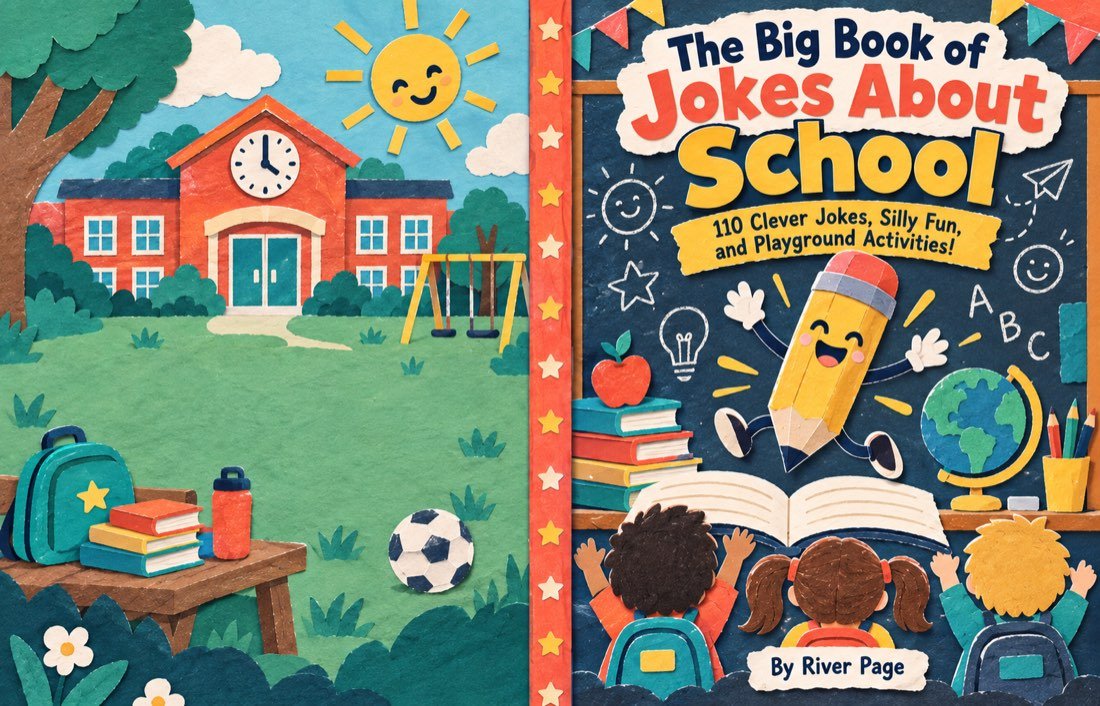
For KDP publishers & printable sellers
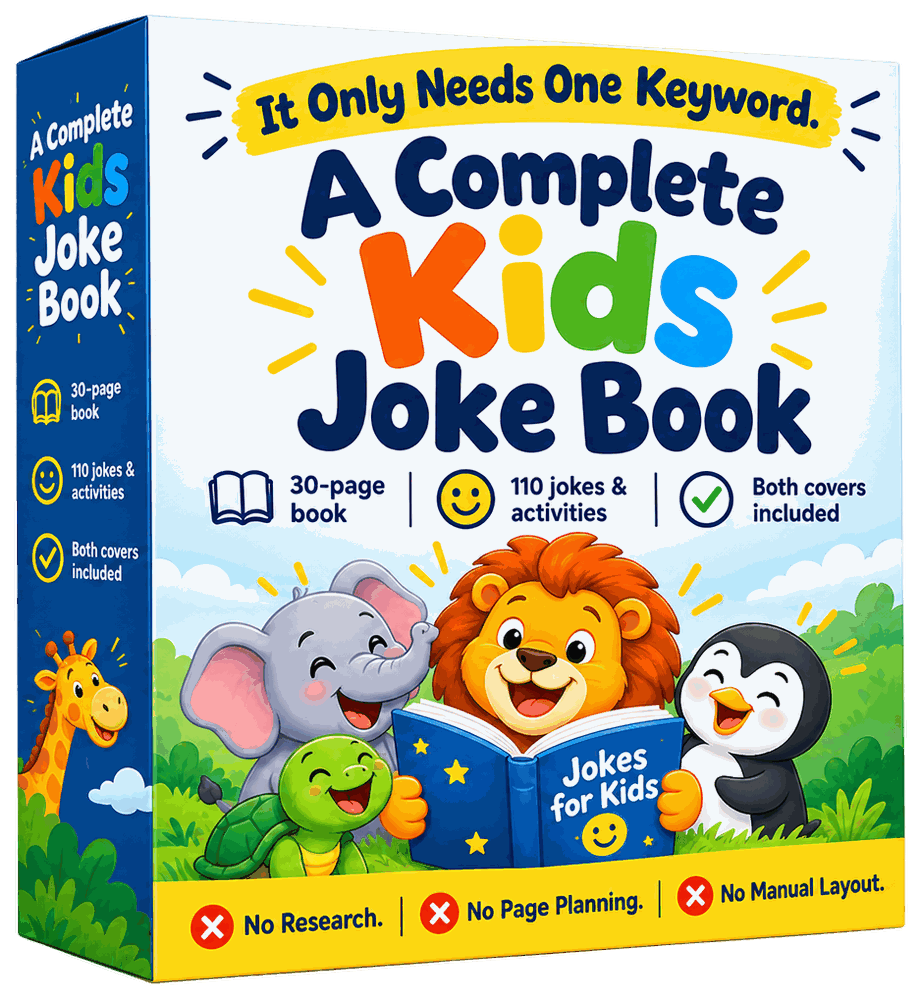
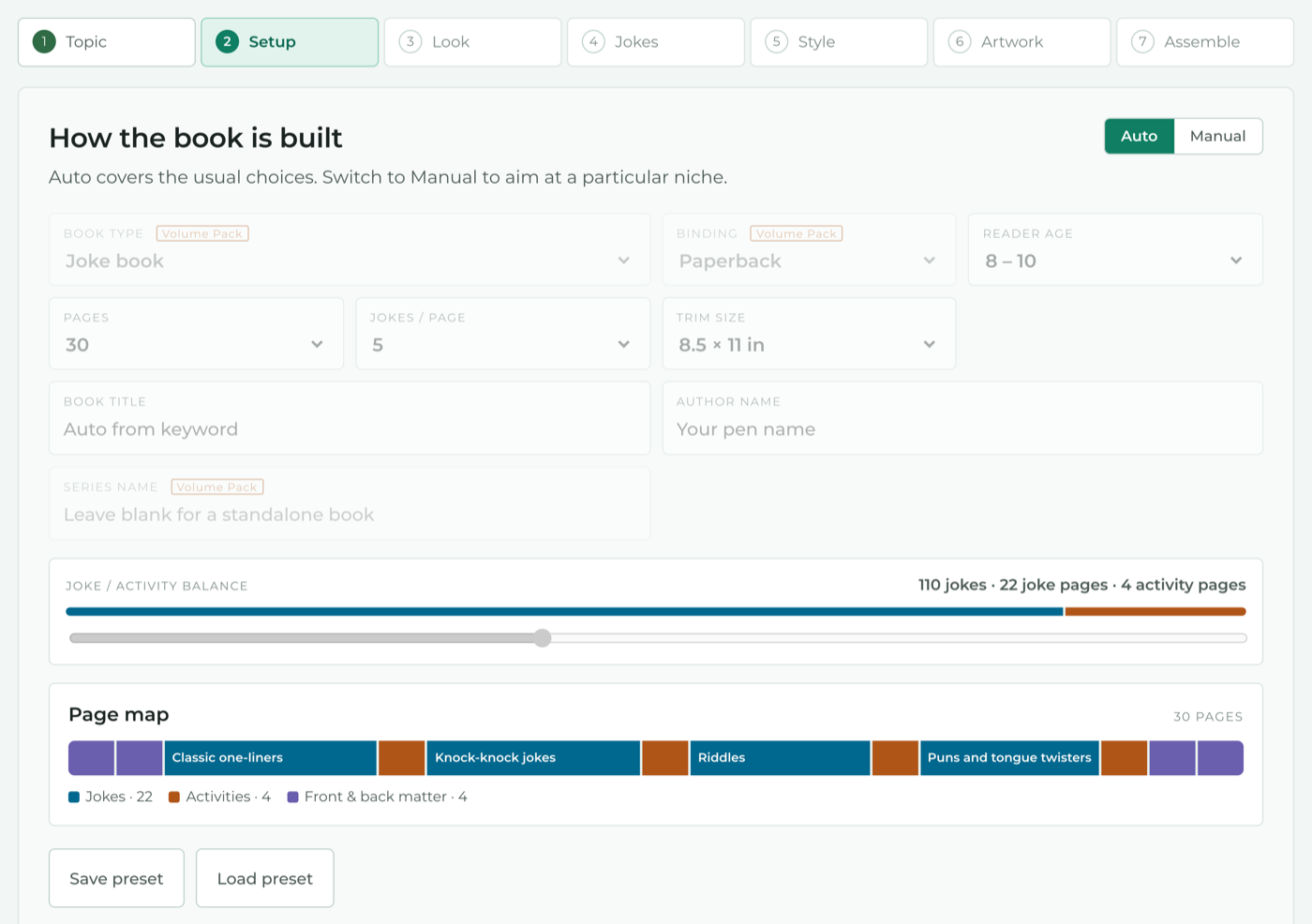
One keyword becomes a finished 30-page joke and activity book — with the page plan, 110 jokes and both covers already decided, drawn in 3 different editions — or take the same keyword all the way to 60 pages. You copy, you paste, you press next.
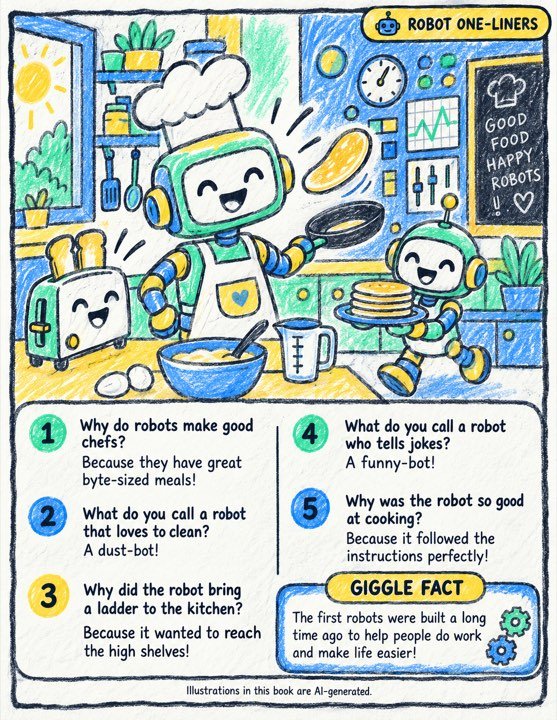
Go from one keyword to a complete 30-page joke and activity book.
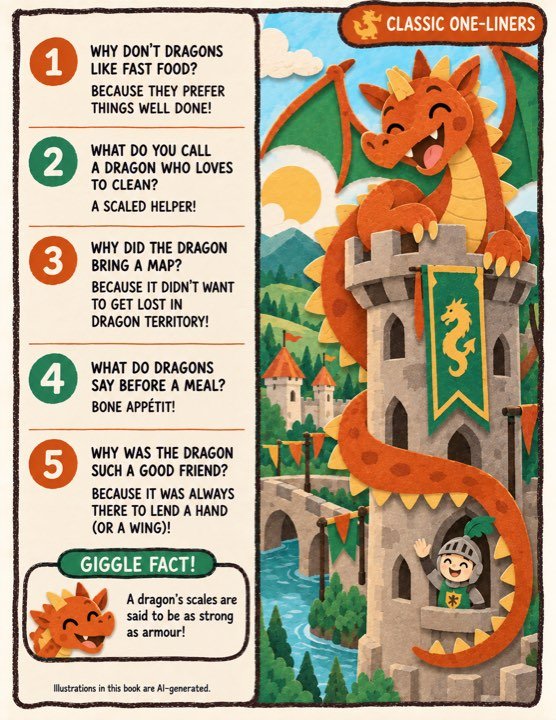
110 age-appropriate jokes already organised page by page.
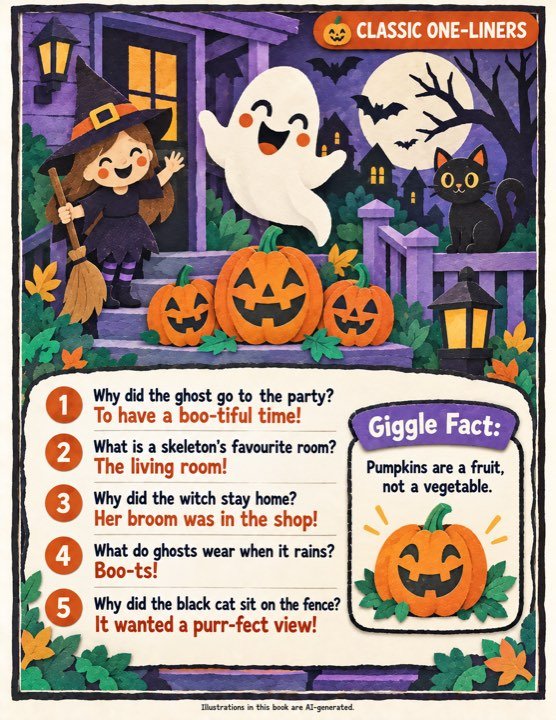
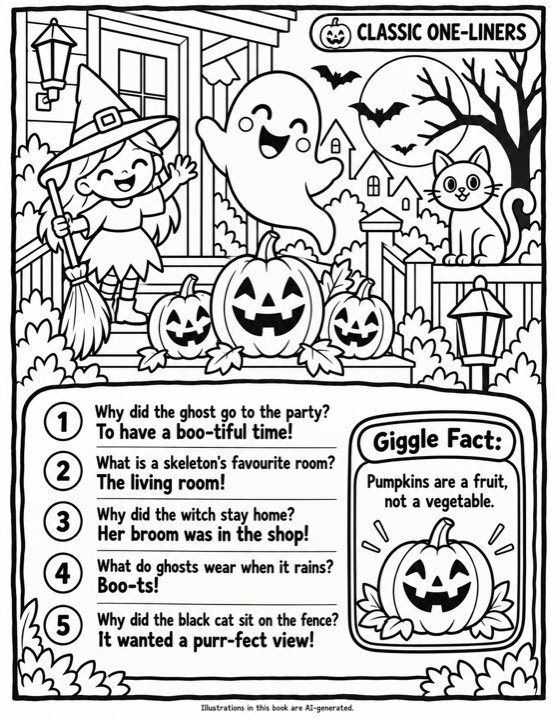
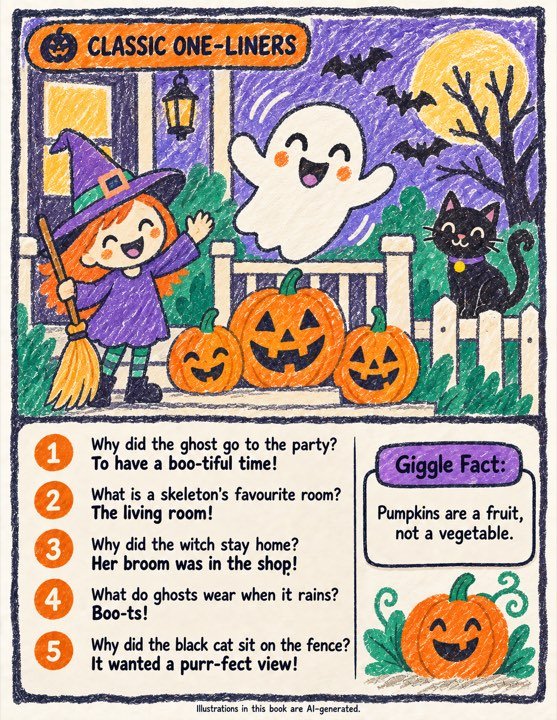
Publish in 3 editions: Full Colour, B&W Colouring, or Scribble.
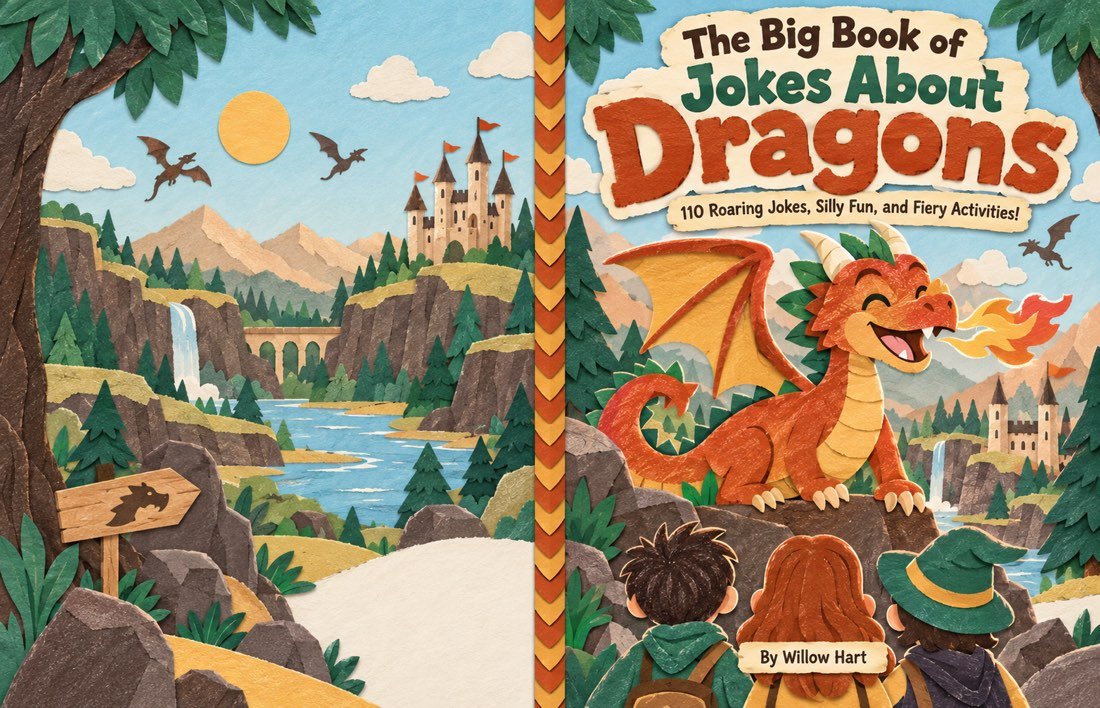
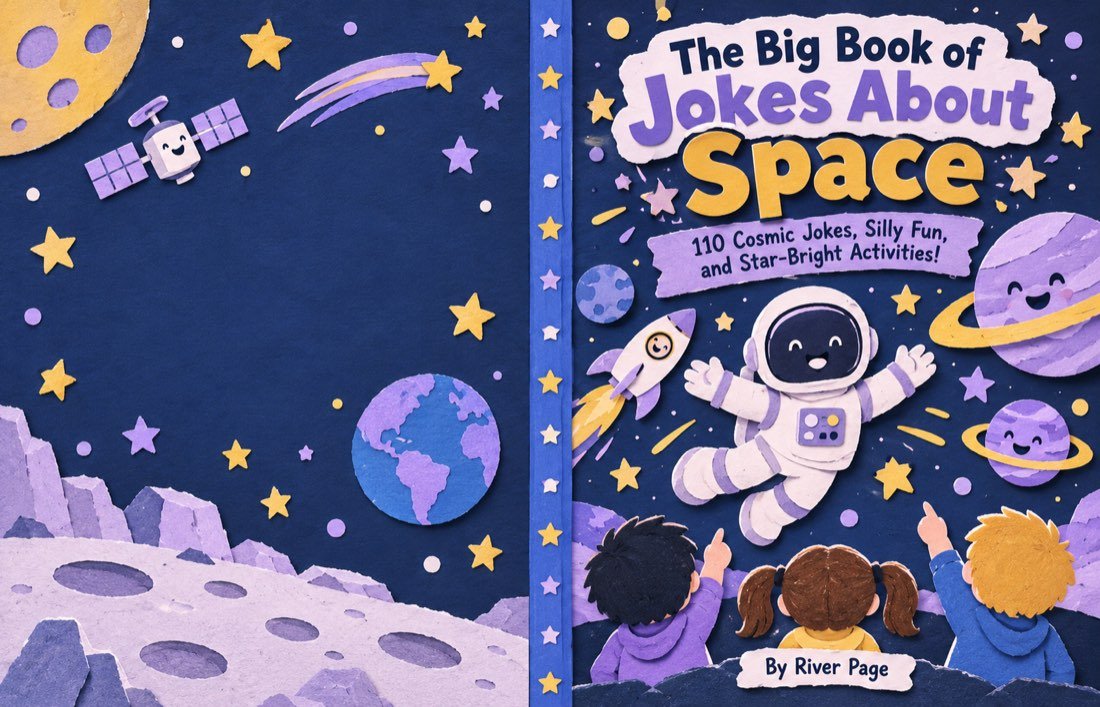
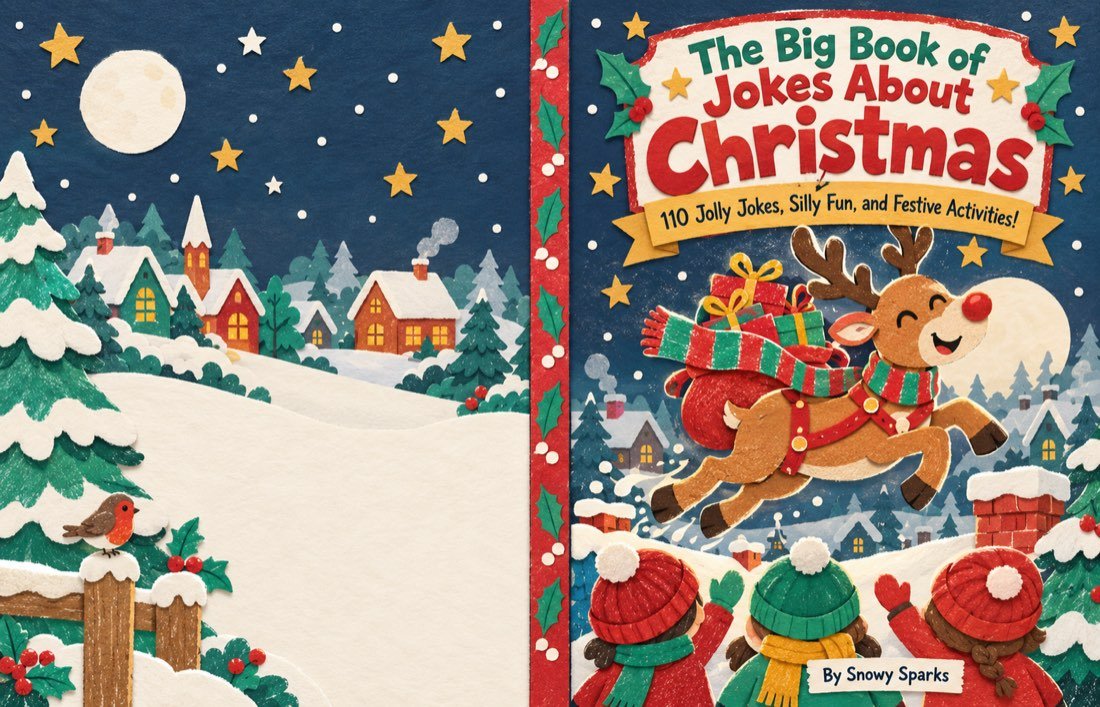
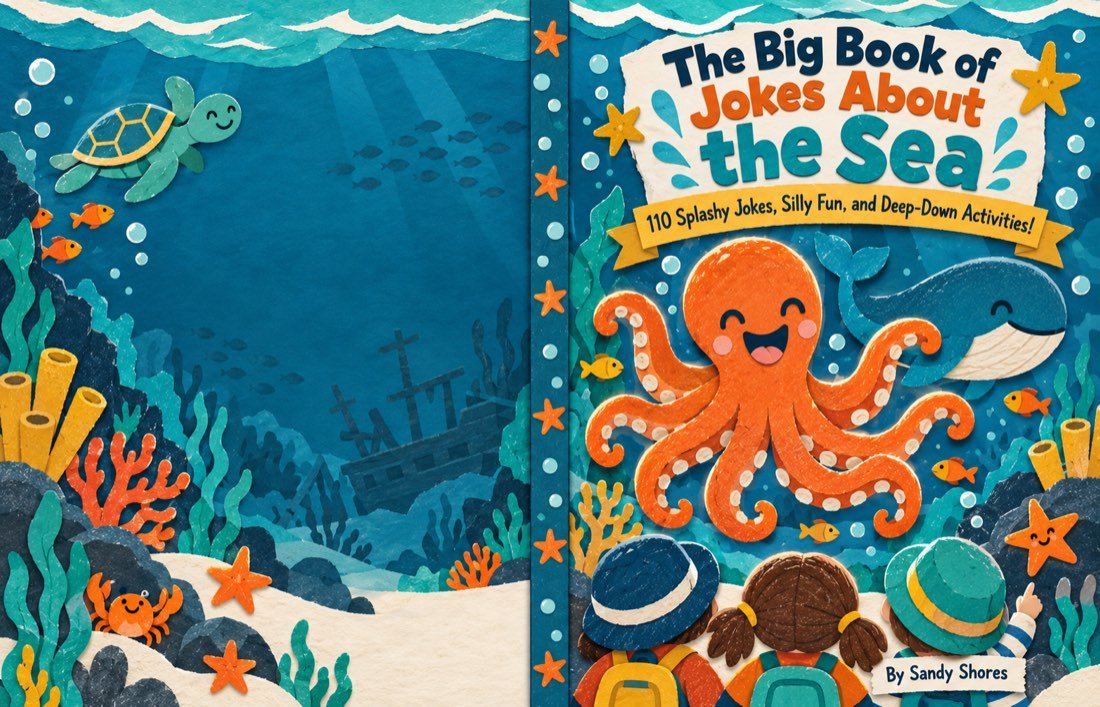
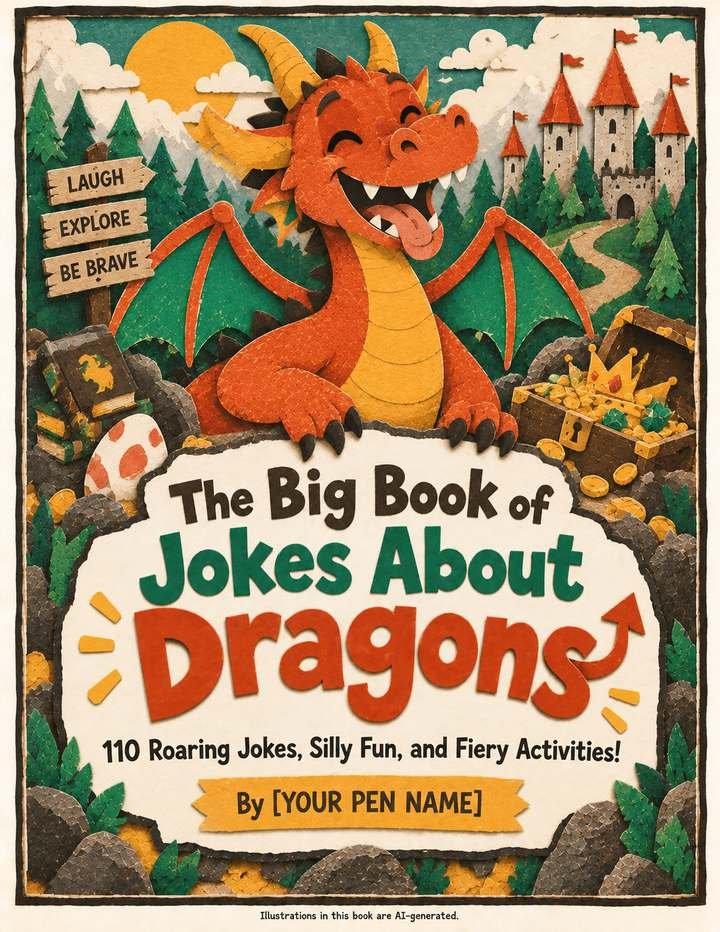
Generate matching front covers, interior pages and a wraparound cover.
Two print-ready PDFs at KDP's sizes, built in your own browser.
No monthly fee · No credits · Commercial licence included
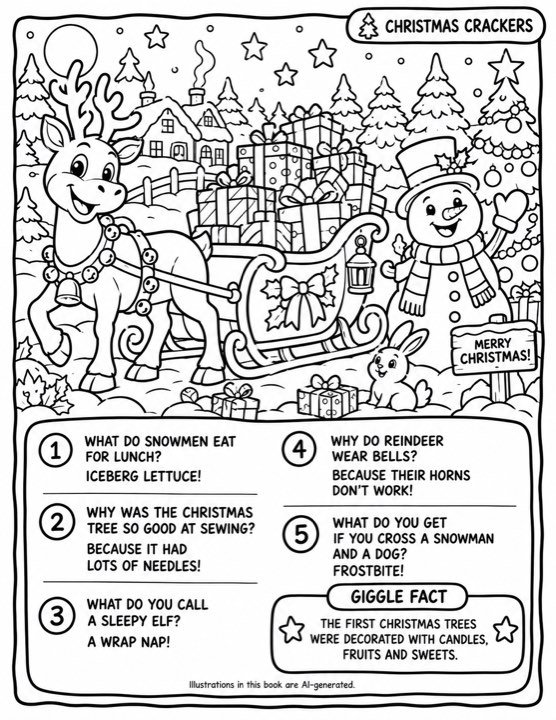
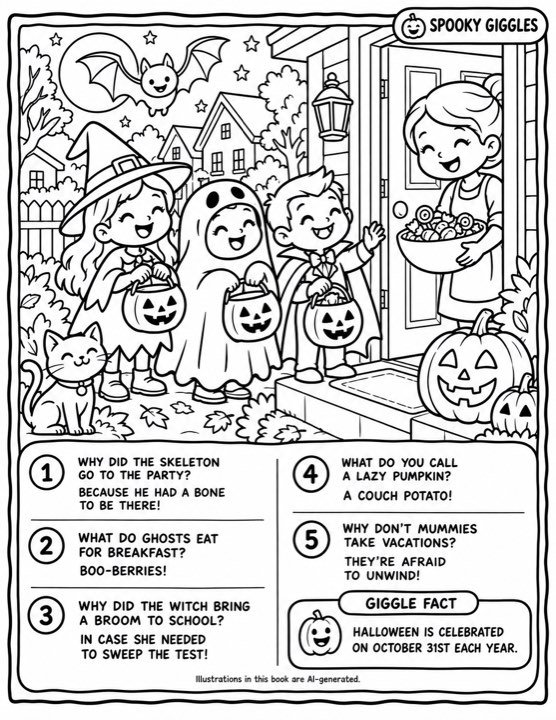
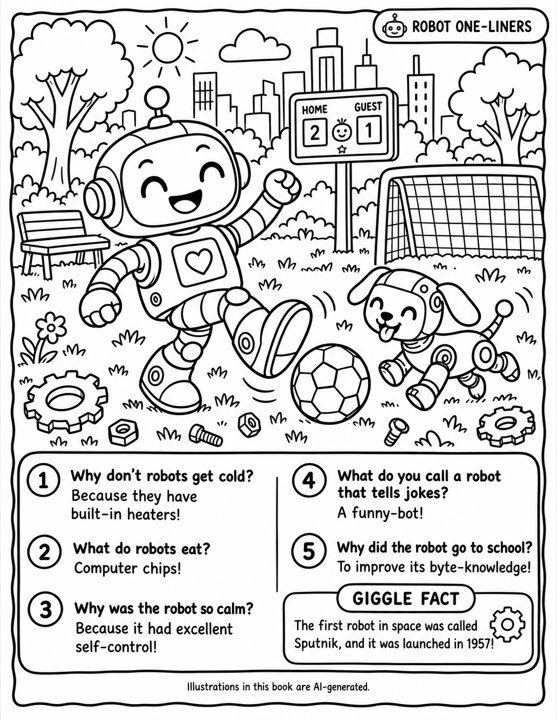
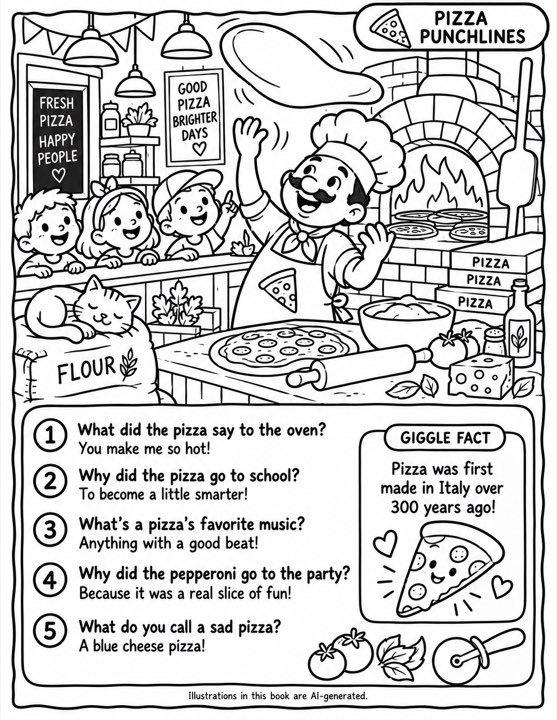
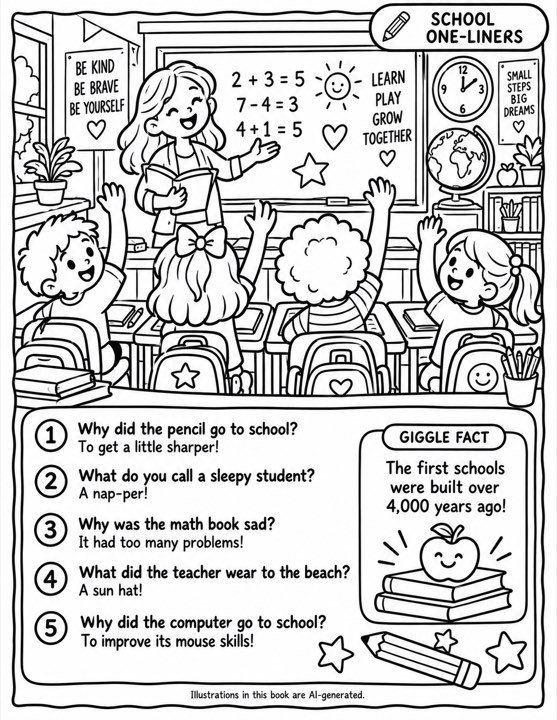
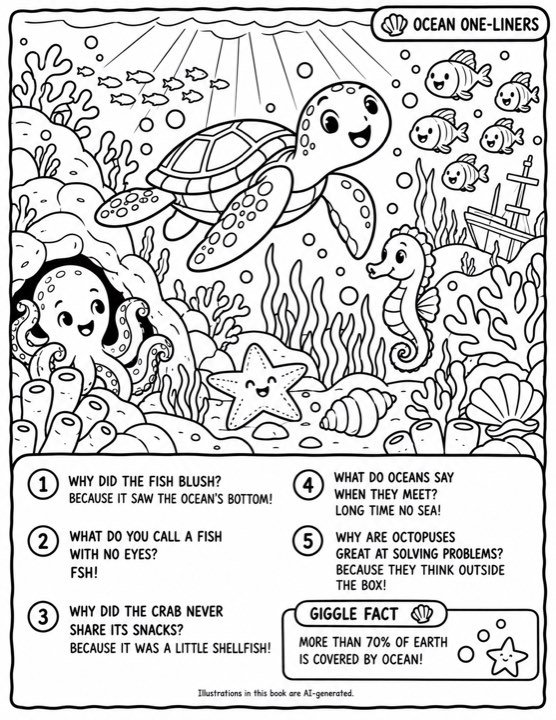
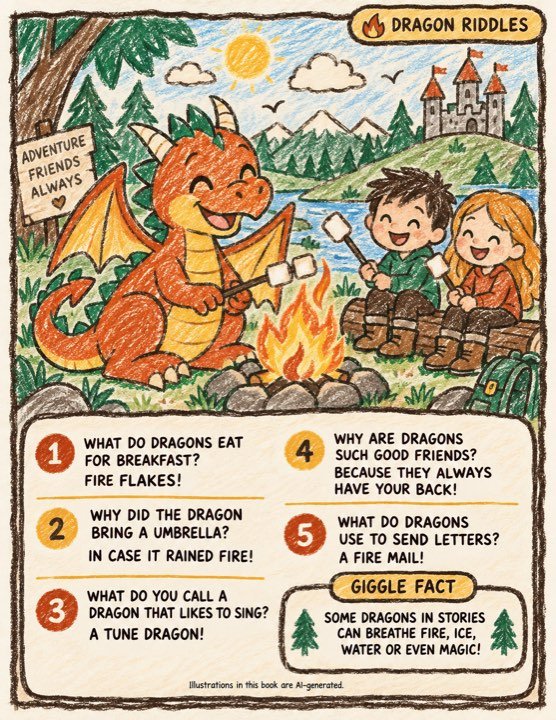
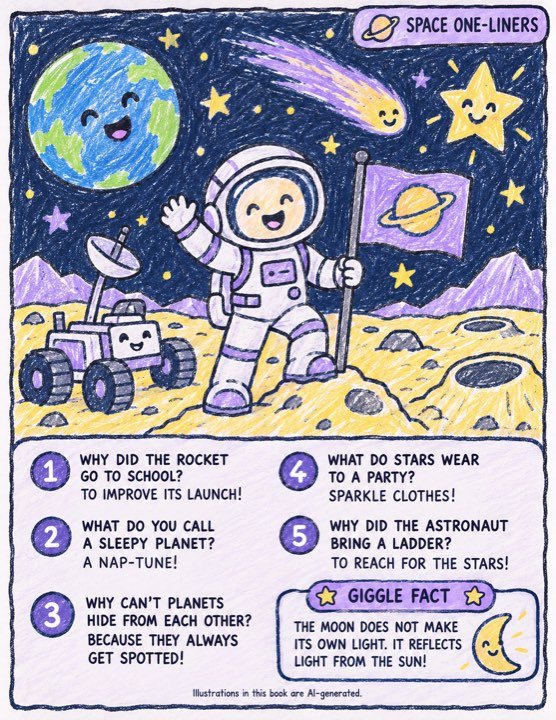
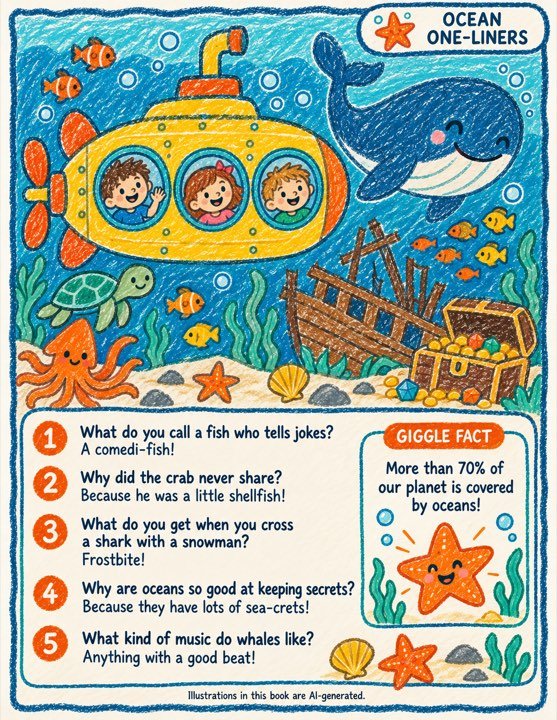
Full Colour · B&W Colouring · Scribble. Plan the book once and publish it three times, at three price points, from one afternoon of work. Below is one real page, drawn three ways.

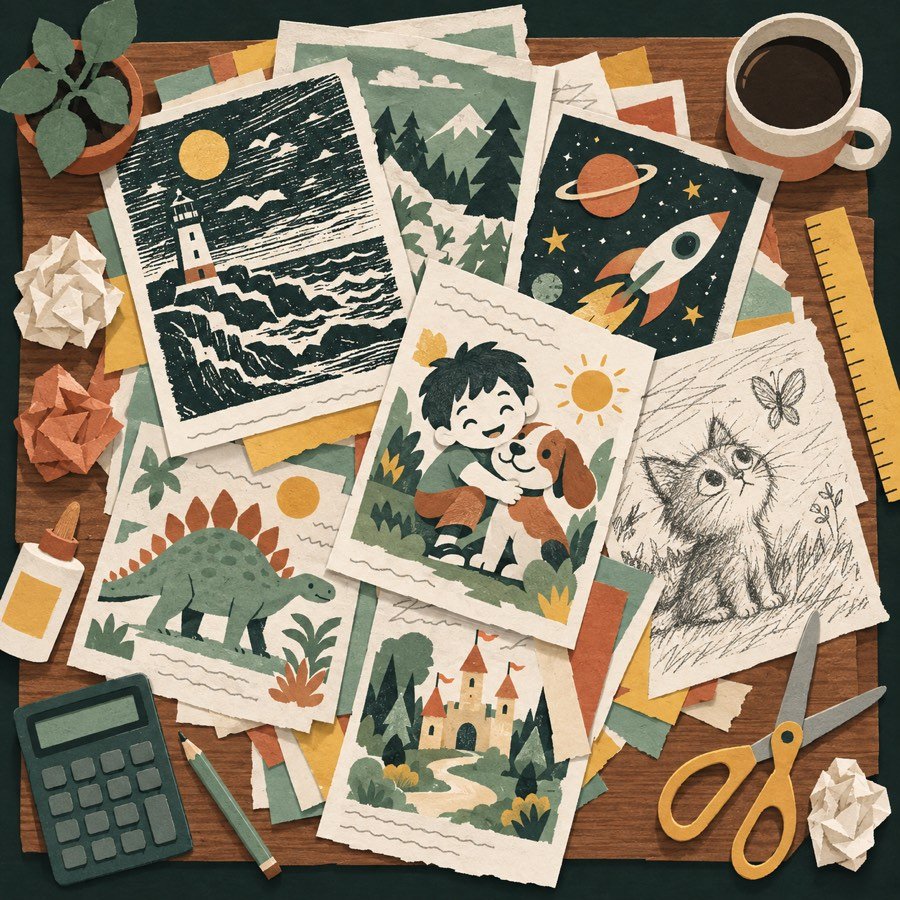
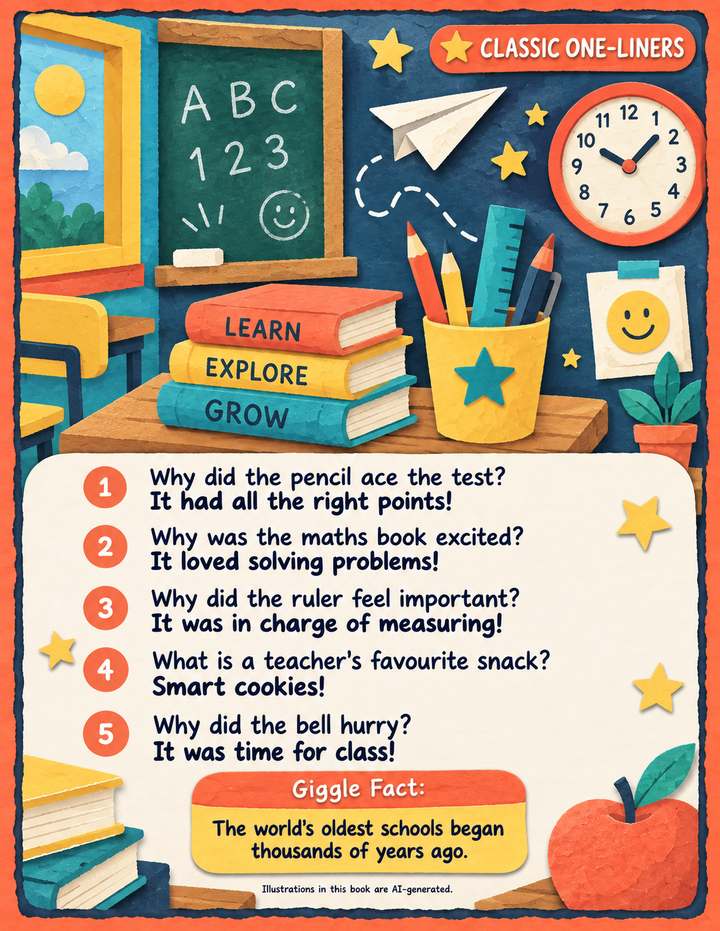
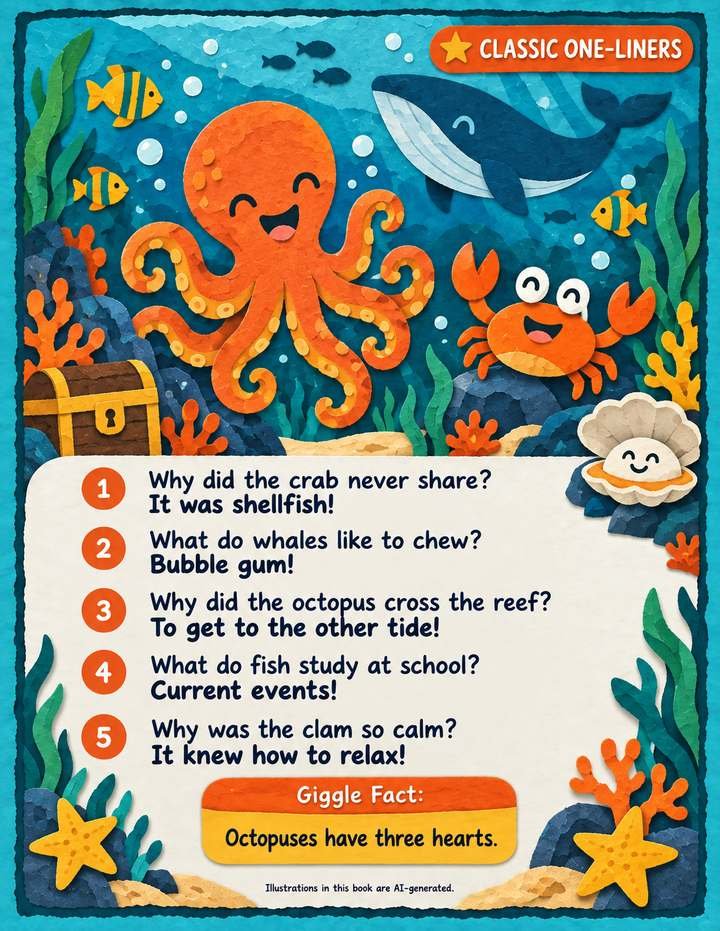
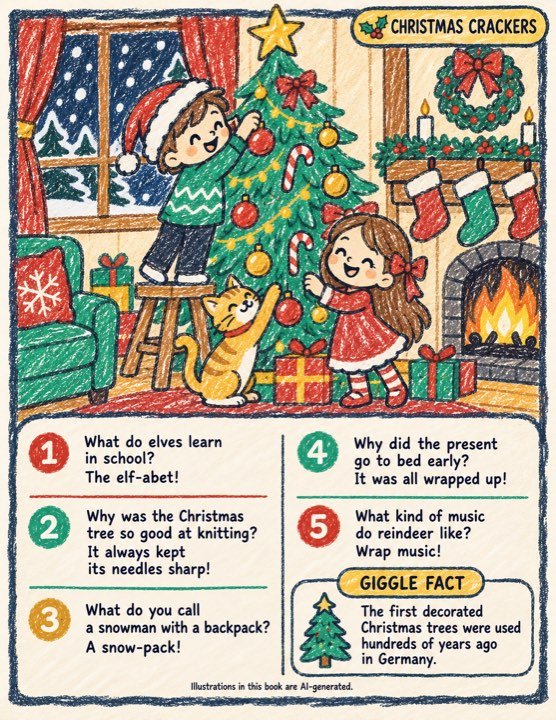
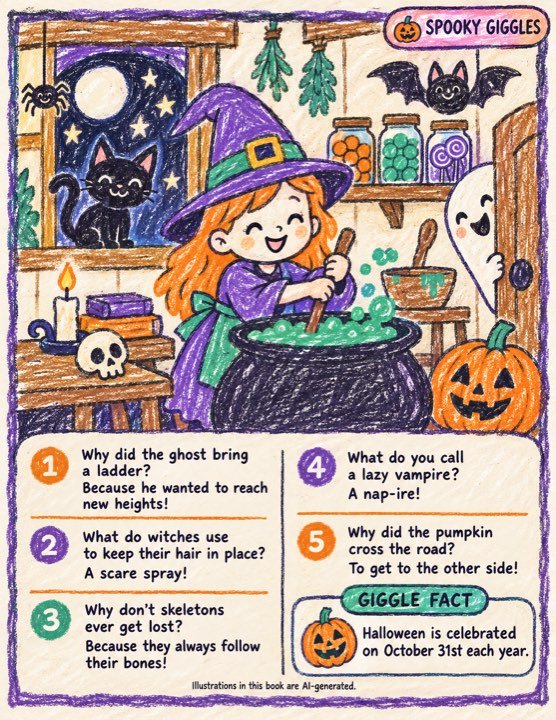
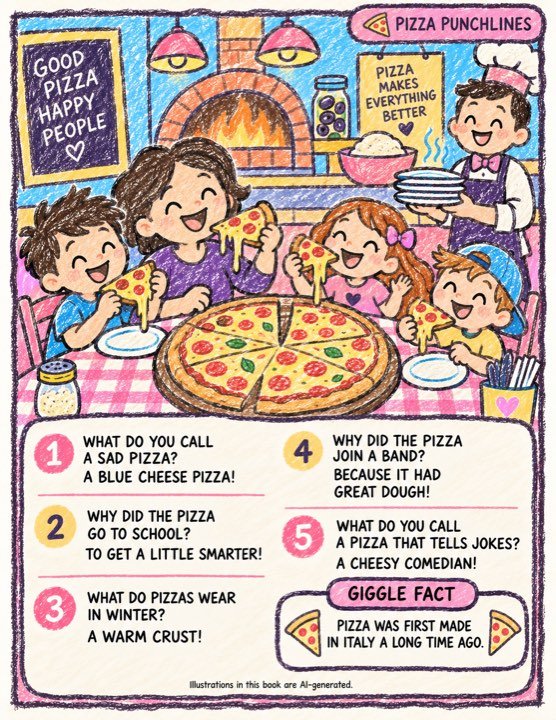
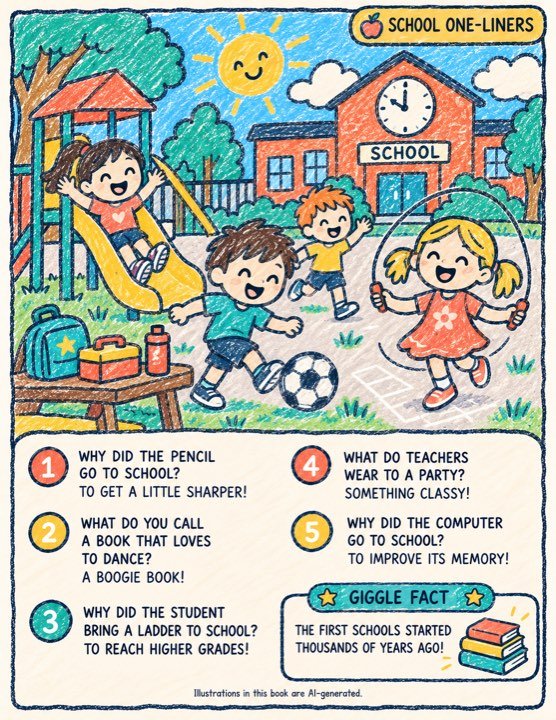
Premium paperback. Eleven art directions, from modern cartoon to cut paper to 3D.

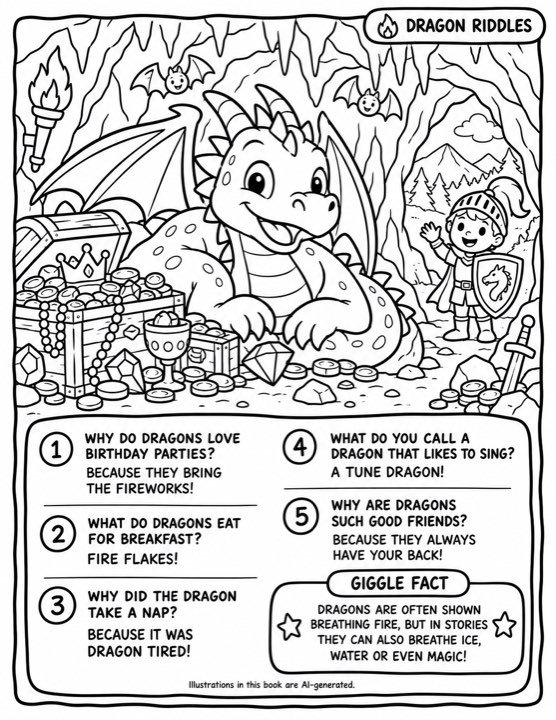
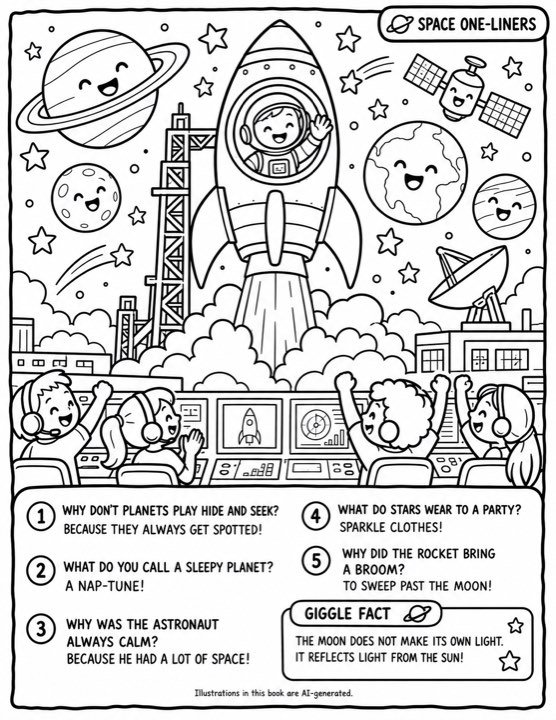
Cheapest to print. Closed shapes a child can colour in. Four line styles.

Hand-coloured look — crayon, coloured pencil or felt marker.
One page, three editions. Same jokes, same layout, three products on three shelves.
Children outgrow them and get bought another. Grandparents buy them without asking. Teachers buy them in threes. It is not a trend — it is a shelf that refills itself.
Here is everything it takes to put one book on that shelf.
Those three numbers describe the work, not a result. GiggleDeck makes books; what any book earns is down to your cover, your listing and your niche — nothing here is a promise of sales or income.
Fifty jokes take ten seconds. Then the real work starts, and none of it is writing.
The bottleneck was never the writing. It was the deciding, the keeping-it-consistent and the print geometry. That is the part GiggleDeck removes.
A smarter way to build kids joke books. One keyword in, one finished book out — and it never sends your work anywhere.
Auto mode fills every decision with a setting that works, so a first book needs one keyword and nothing else.
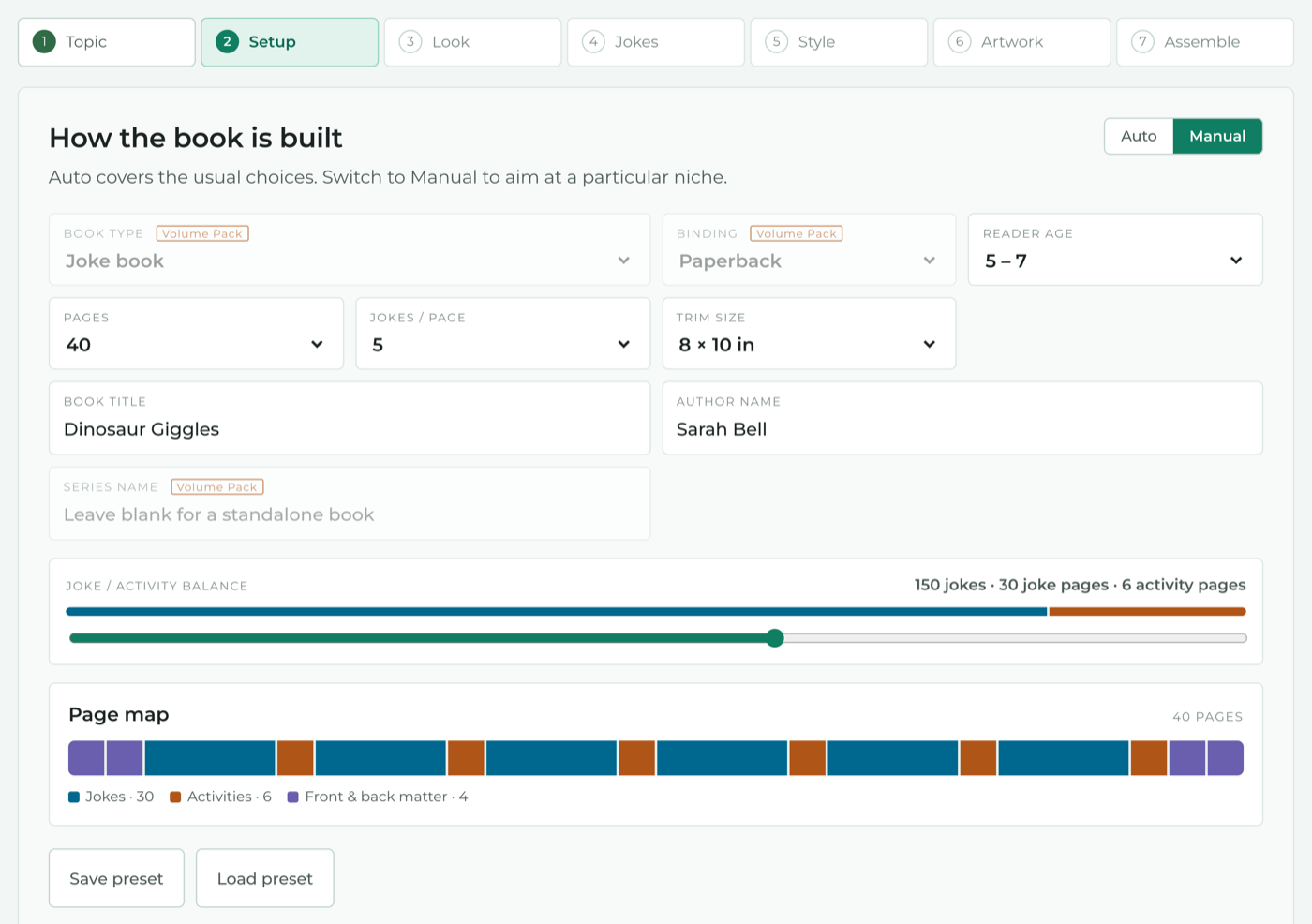
Switch to Manual and every choice opens up — for aiming at a particular niche, matching a series you already publish, or hitting a page count exactly.
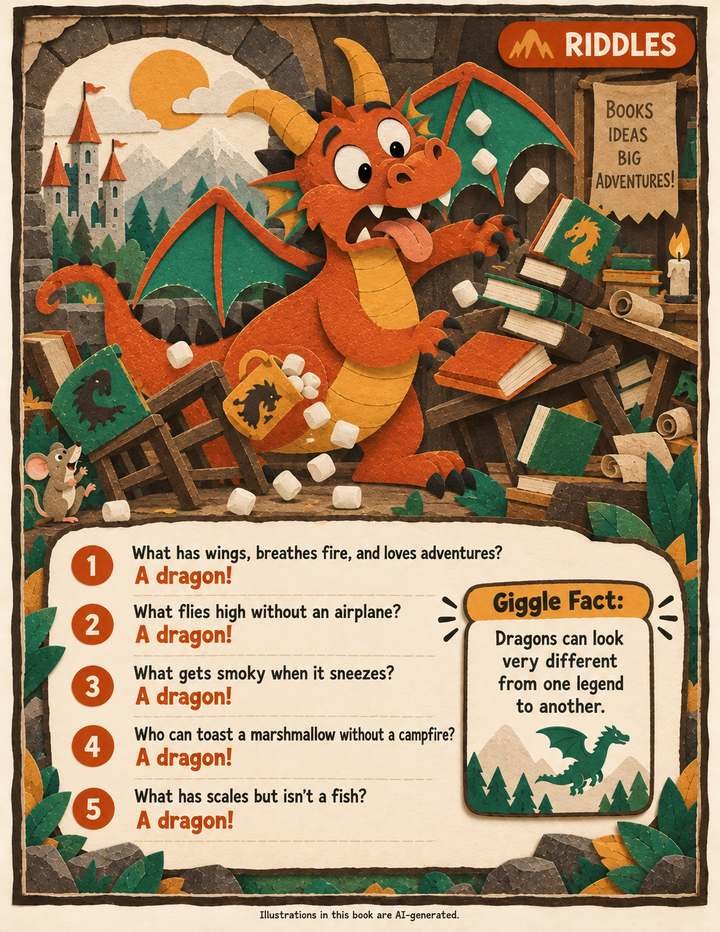
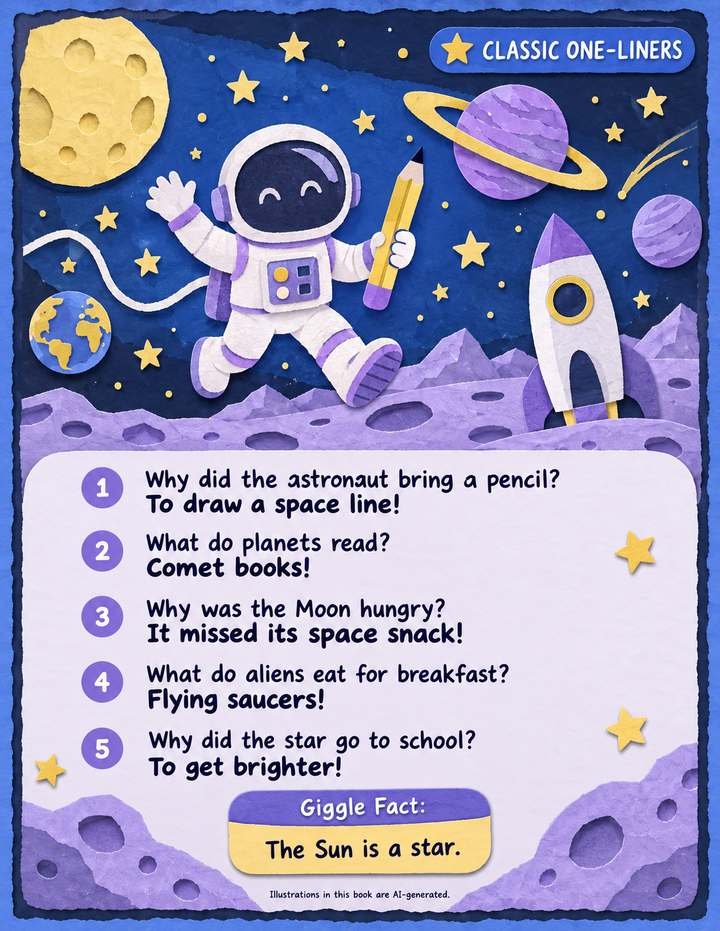
Twelve palettes, eighteen art directions, five borders, three detail levels. Every one of them written into every image prompt, so thirty pages come back as one book. Three finished pages below, three different books, three different art directions — and note where the words sit on each one, because that moves too.
3 editions × 18 art directions × 12 palettes × 5 borders × 3 detail levels. Multiply it yourself — that is why two books from the same keyword never look alike.
The five hex values go into every single image prompt. That lock is the reason page 30 still matches page 1.
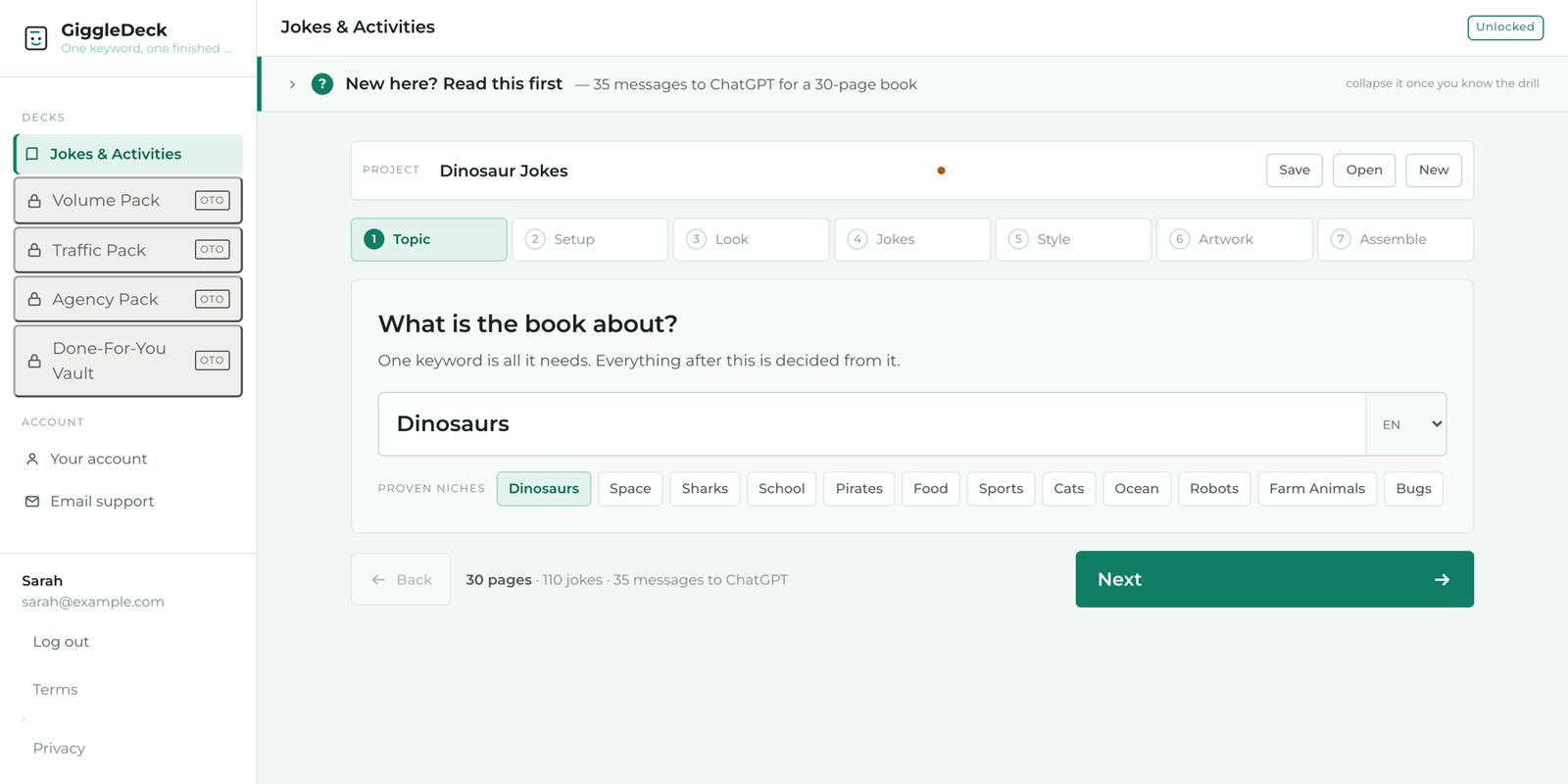
Type Dinosaurs, Sharks or Pirates. Pick an edition and a palette, or let Auto choose. The page map fills in front of you and tells you how many messages the book will take before you send a single one.
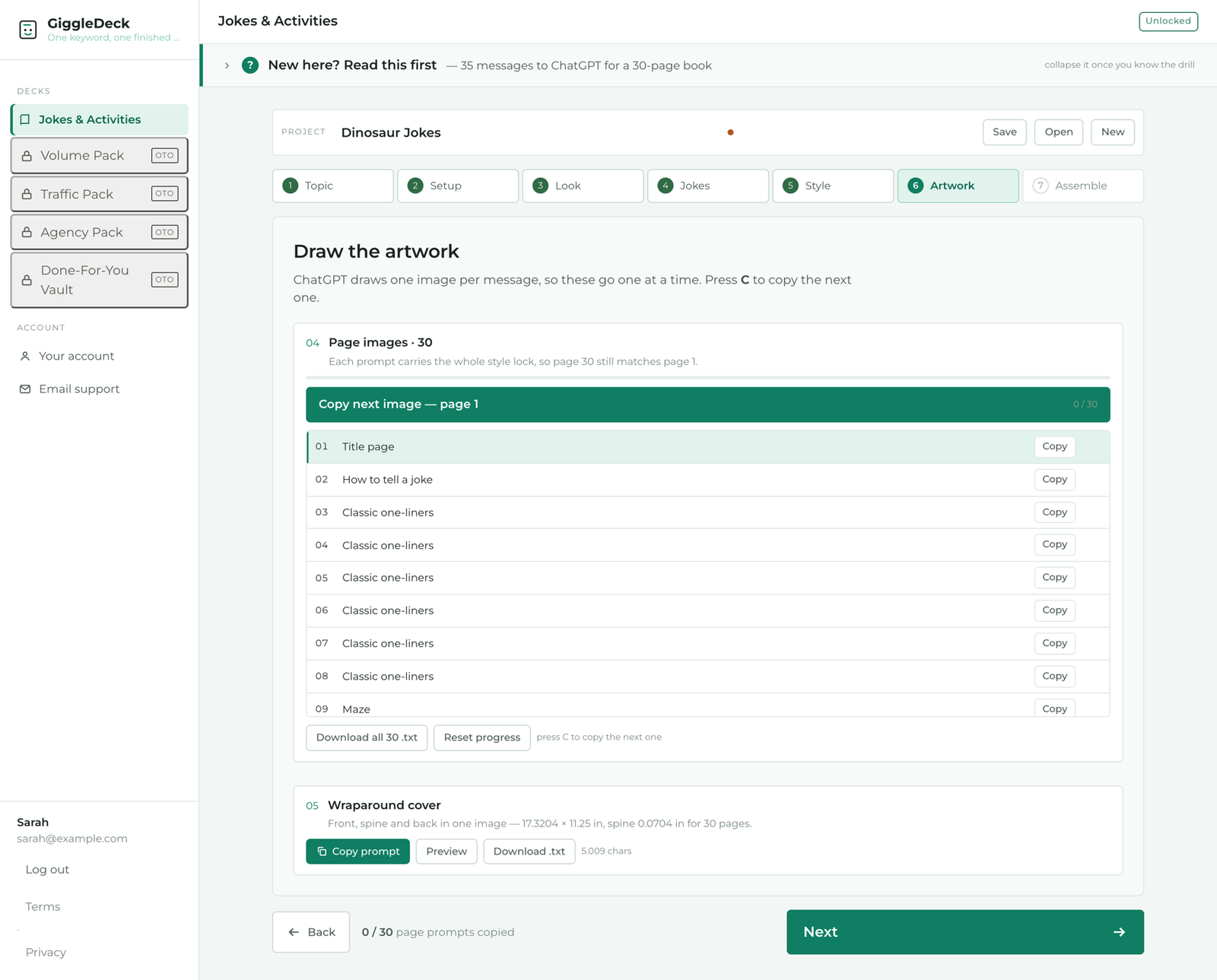
Copy the content prompts, paste them into ChatGPT, paste the answers back. Send the style anchor once and check the reference image. Then copy the page prompts one at a time — the queue keeps your place, marks each done and tells you what to send next.
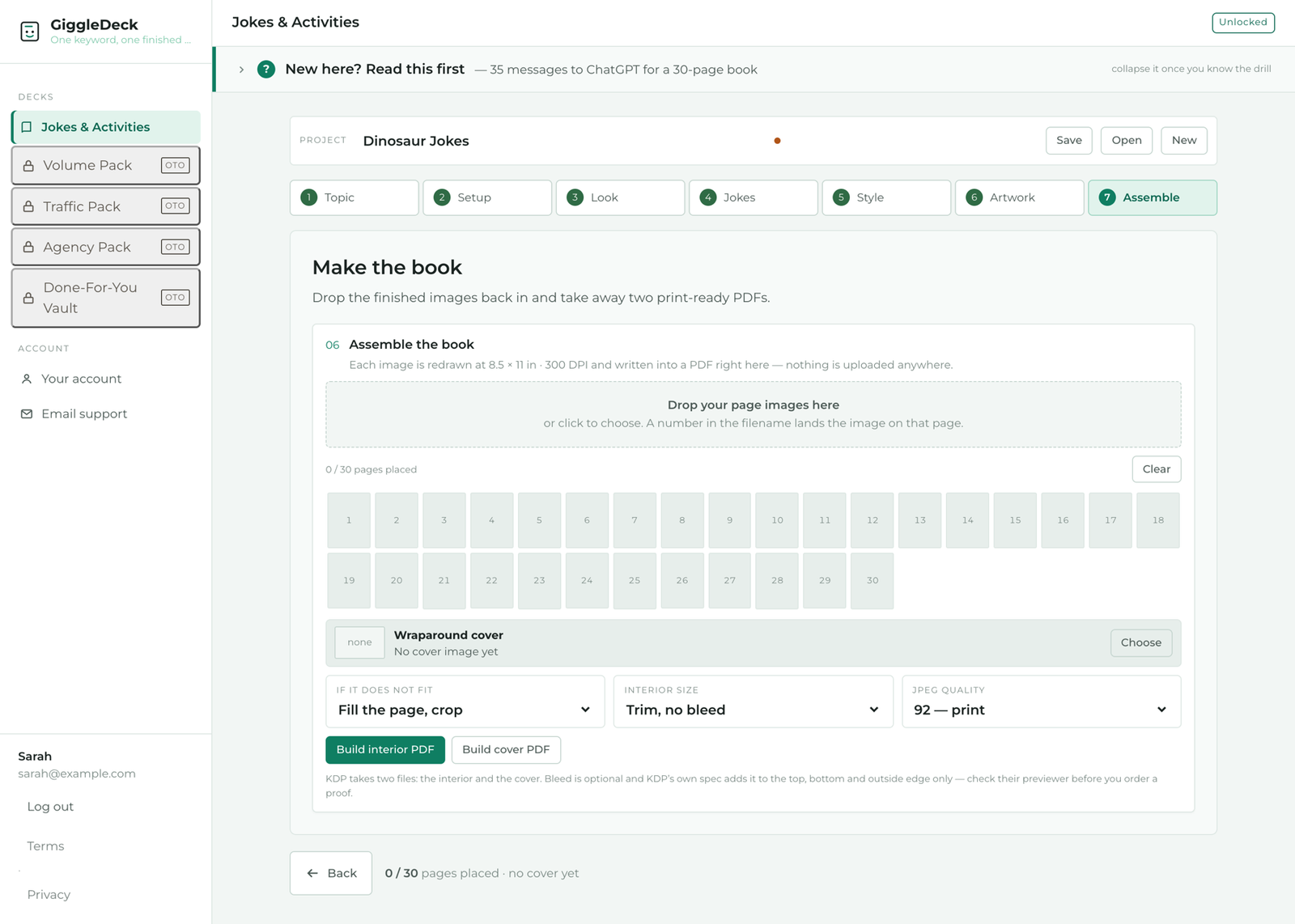
Drop the finished images back in. Each page is redrawn at 300 DPI and written into an interior PDF; the cover is built at KDP's wraparound size with the spine computed from your page count. Two files, ready to upload.
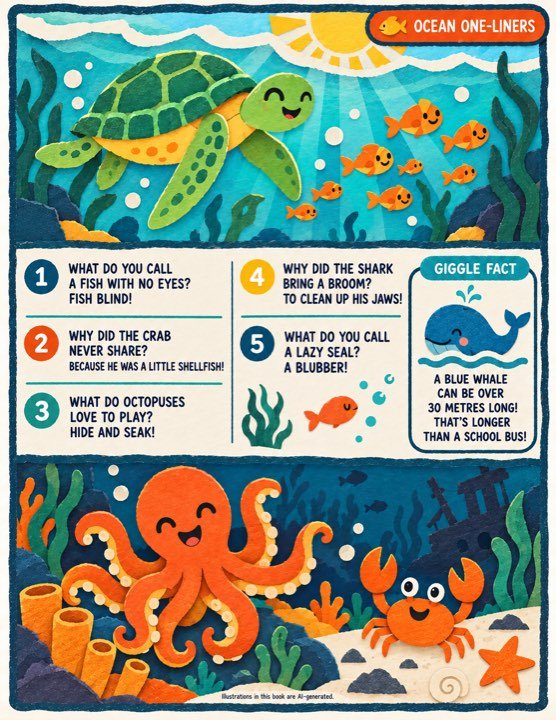
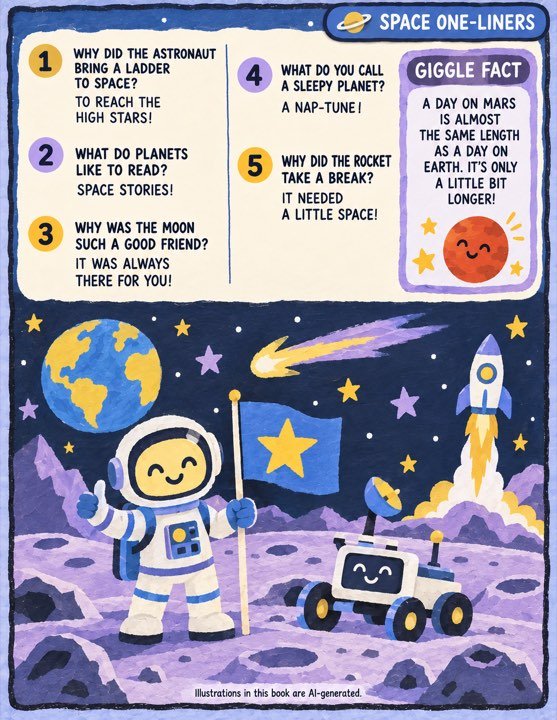
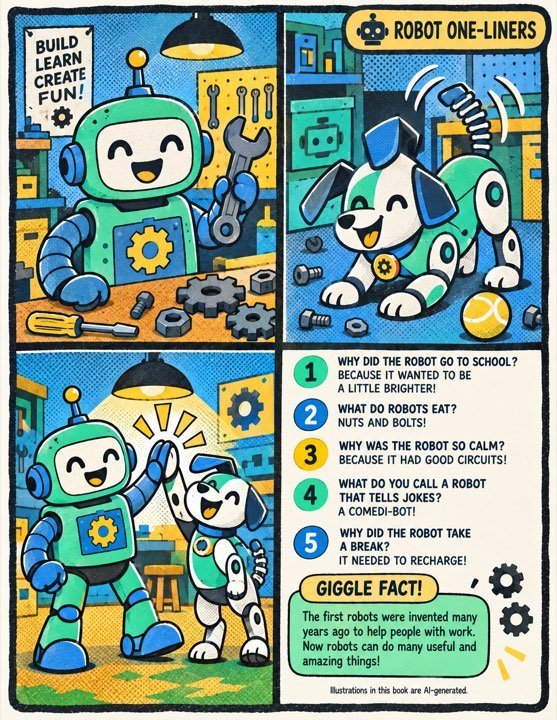
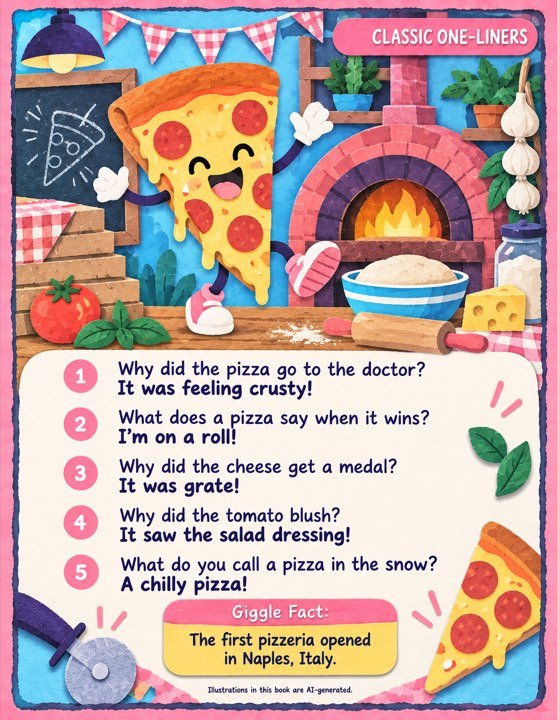
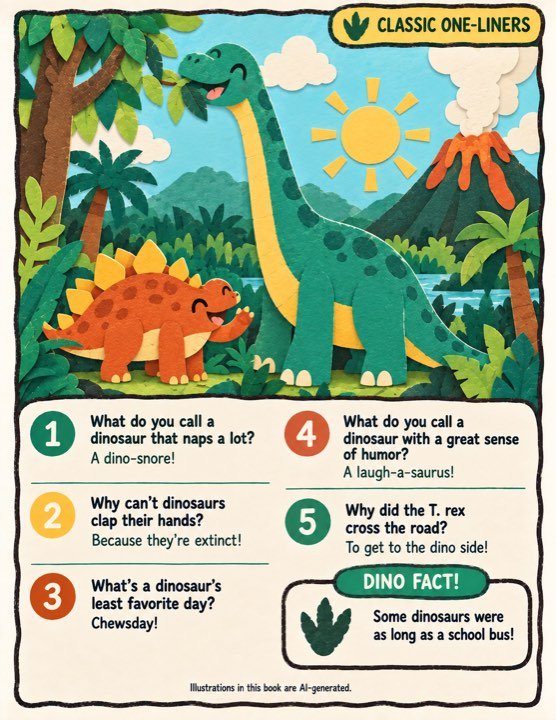
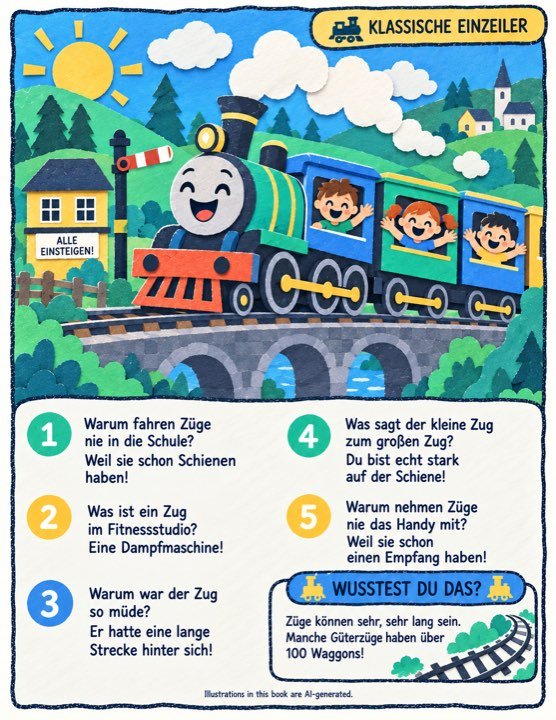
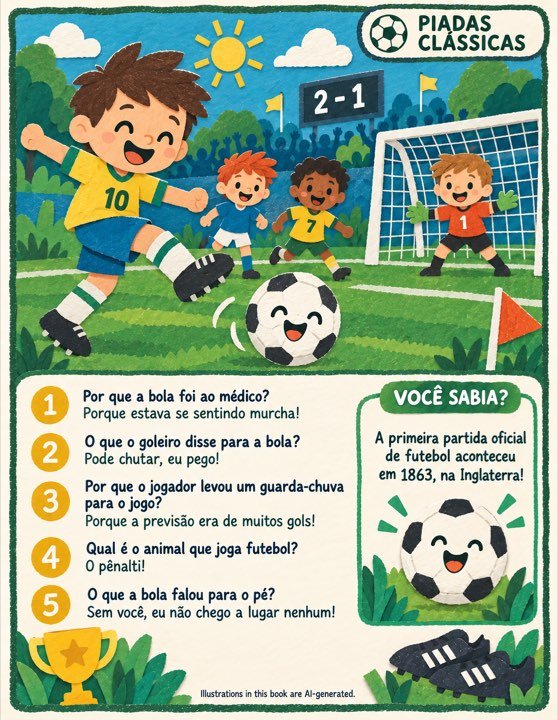
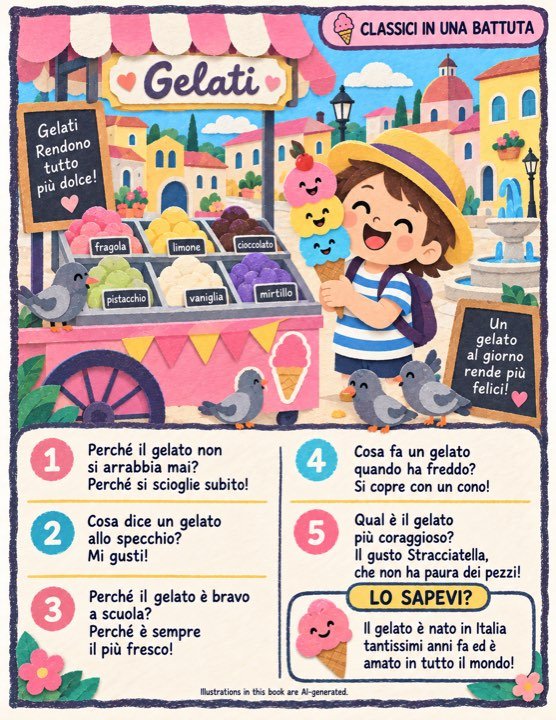
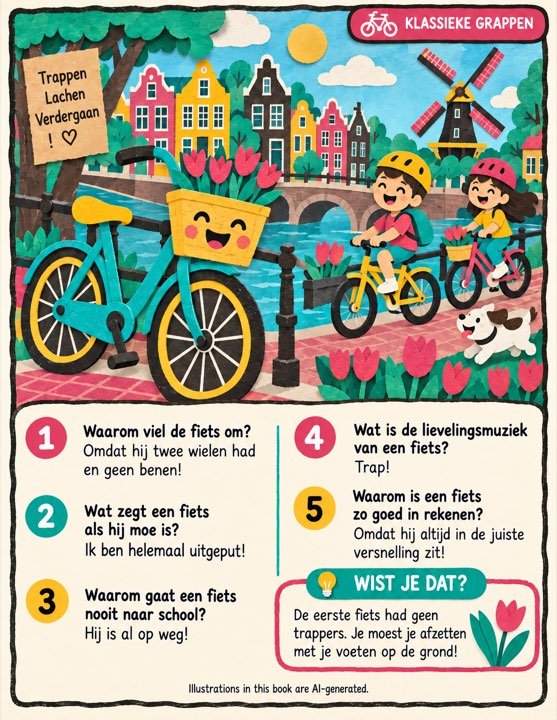
Buyers in this market have seen hundreds of these pages and can tell a mock-up from an output. Every page below came out of GiggleDeck — eight different keywords, eight different palettes, three print editions, one unchanged page architecture.
Every one of these came from typing a single word. Nothing else changed — the app picked the palette, planned the pages and wrote every prompt.


Every keyword publishes twice. These are the cheapest pages in the catalogue to print, and the ones a child can actually colour — closed shapes, no grey, no solid black.


The third shelf. Same eight keywords, same page plan, hand-coloured — crayon over pencil, strokes running over the lines the way a child colours.


Not a flat front cover — one wraparound file with the back cover, the spine and the front in it, sized to the page count. Getting the spine wrong to four decimal places is the usual reason KDP rejects a cover.


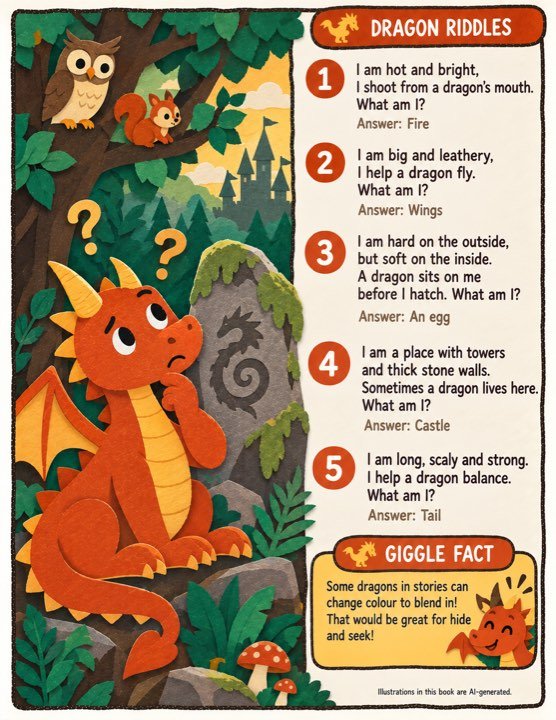
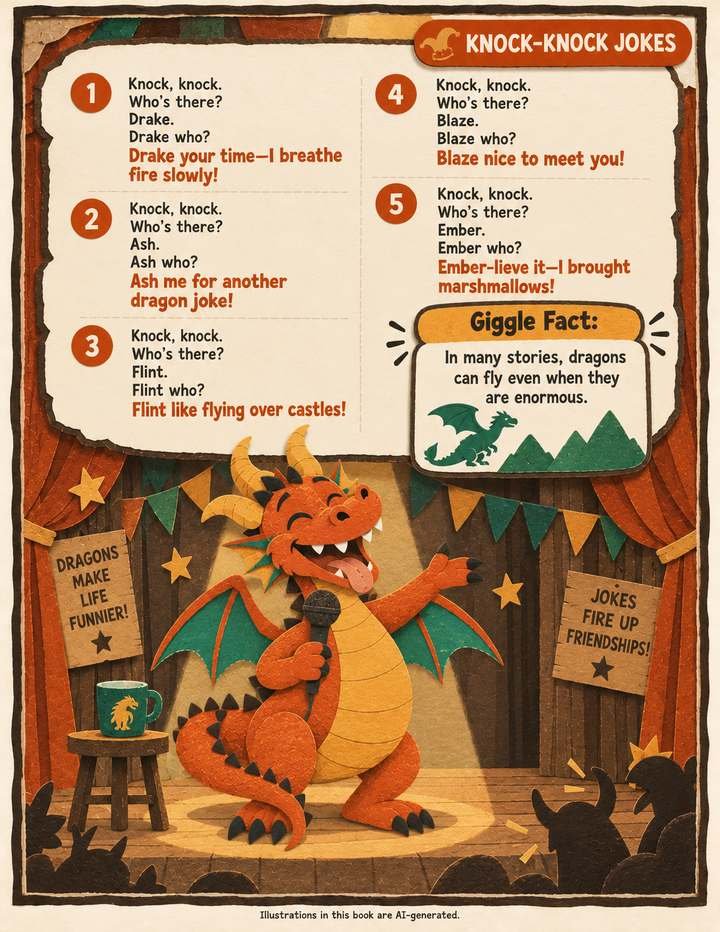
Anyone can show you their best page. This is a complete book from the title page to the answers at the back — twelve pages, one keyword, one palette, one hand. Look at how the frame, the section tabs and the lettering hold from page 01 to page 12 — and watch the words move. Page 02 keeps them in the left column, page 03 mirrors them to the right, page 05 lifts them onto a panel over the artwork. That alternation is the default setting, and it is what stops thirty pages reading as thirty copies of one page.


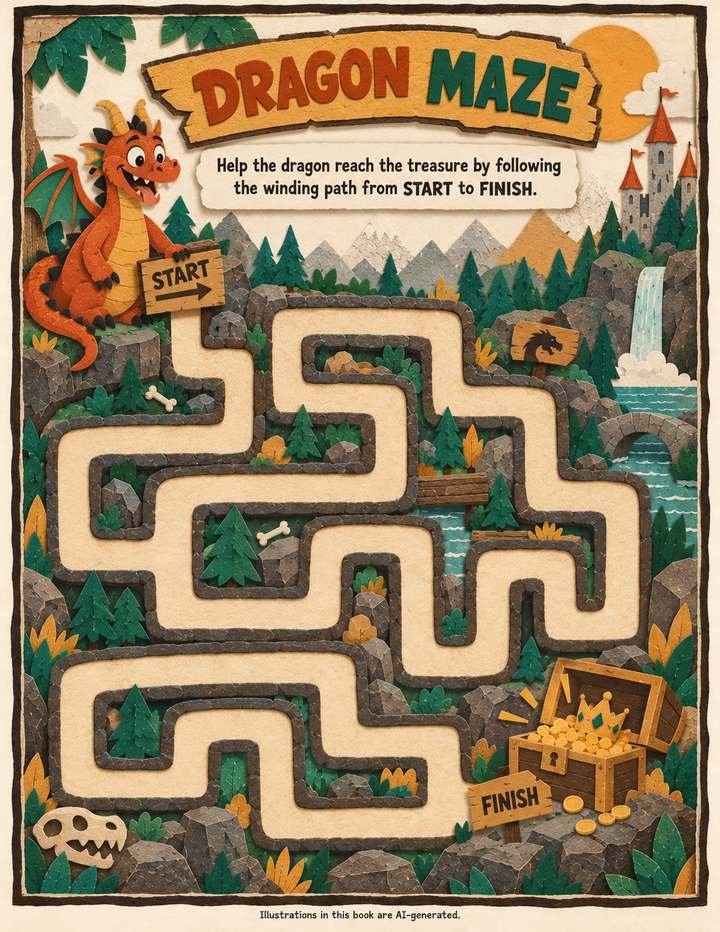
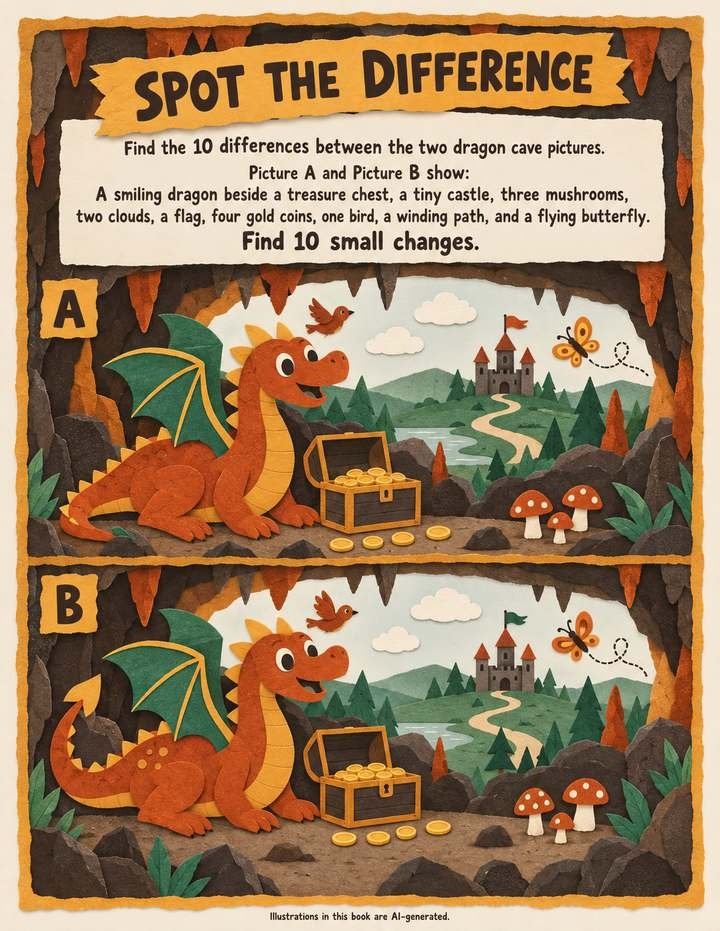
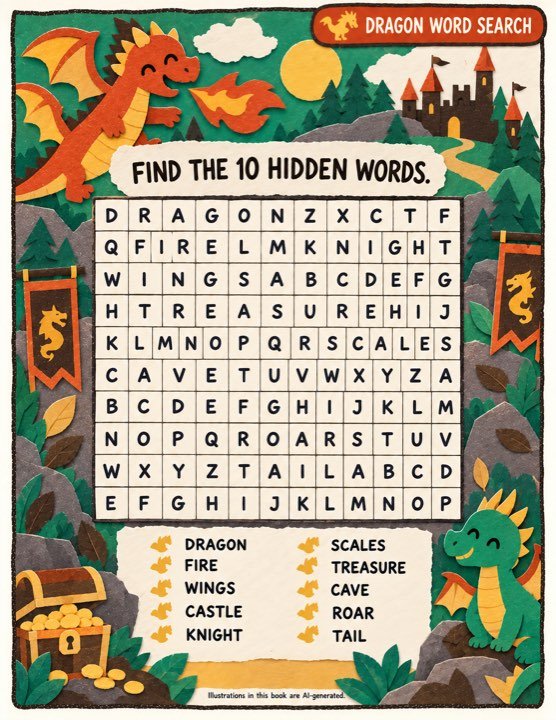
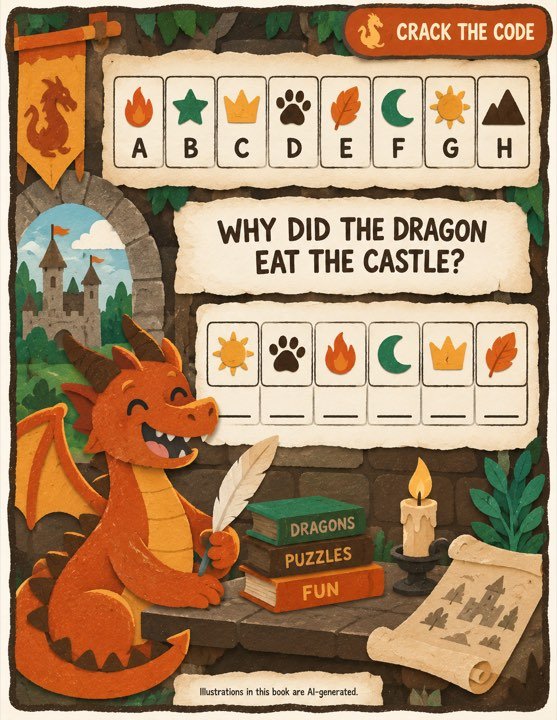
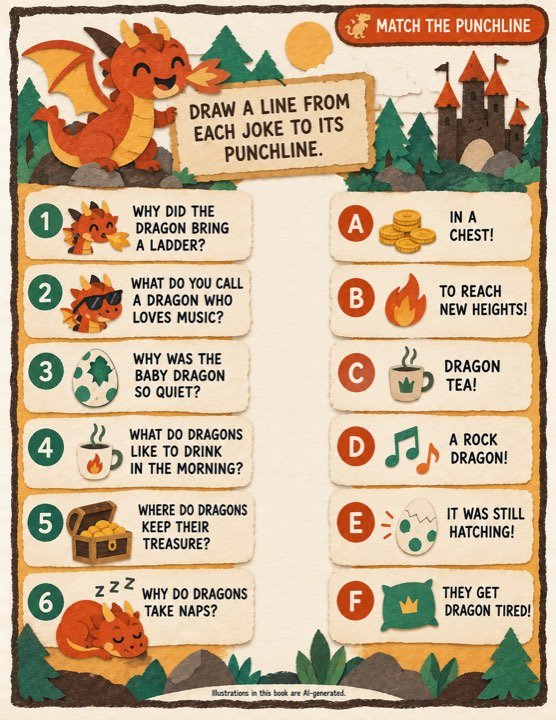
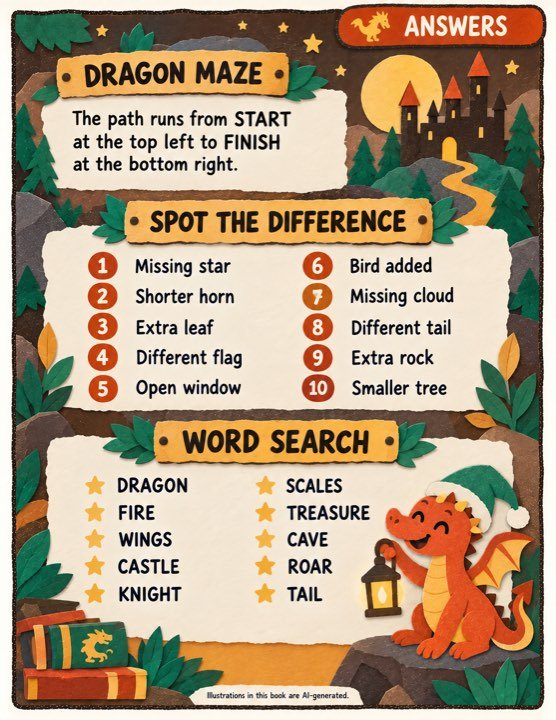
Six of these are activity pages. Laying out a maze, a word search and a code key so a child can actually use them is the part that stops most people finishing a book.
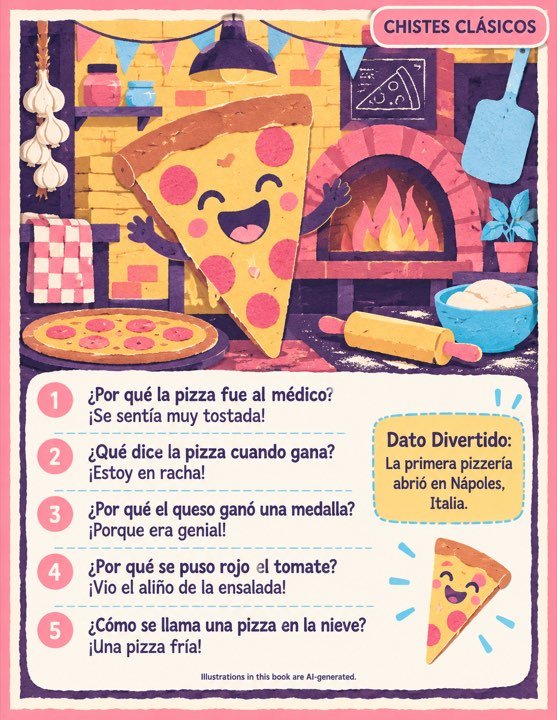
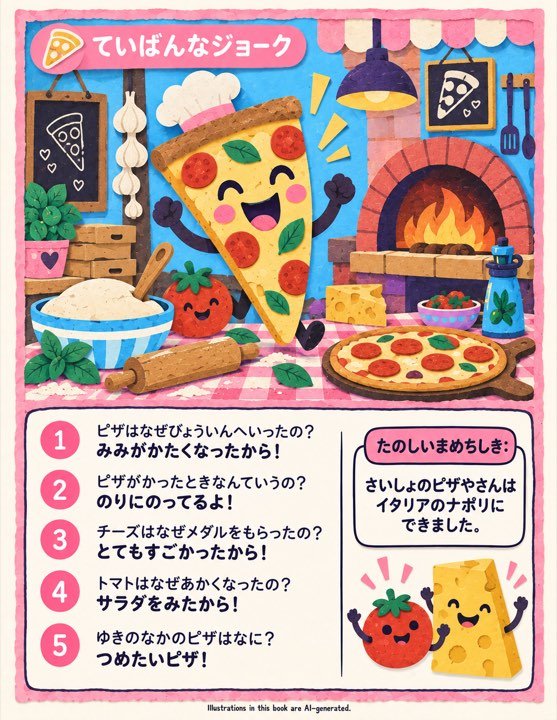
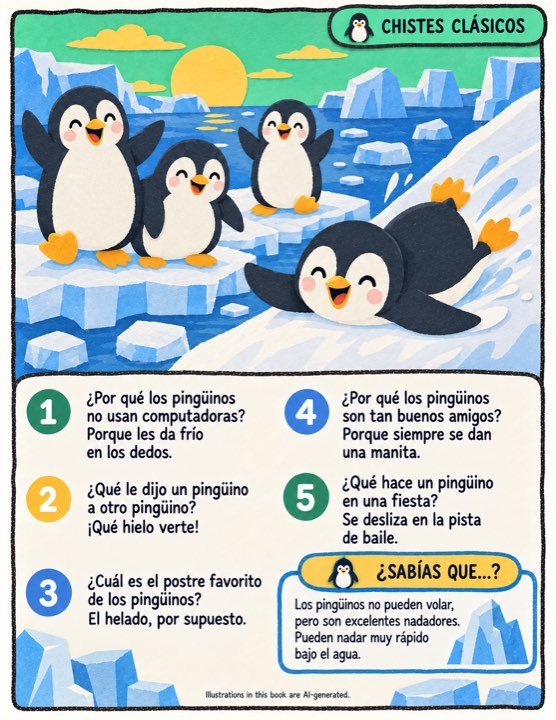
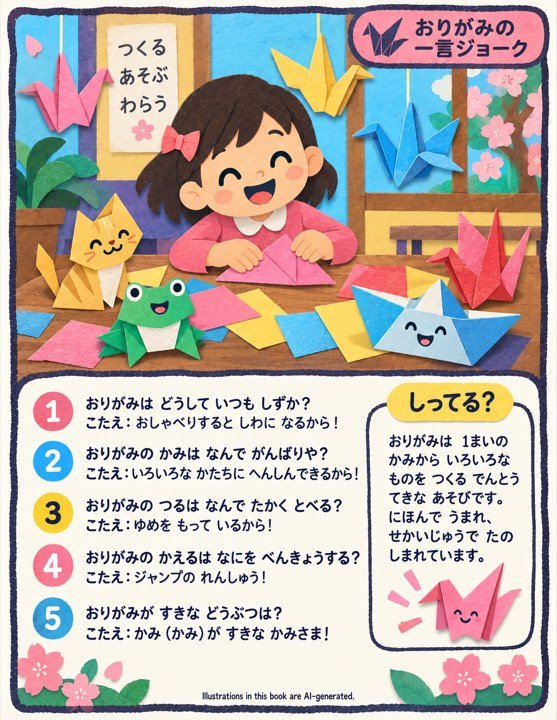
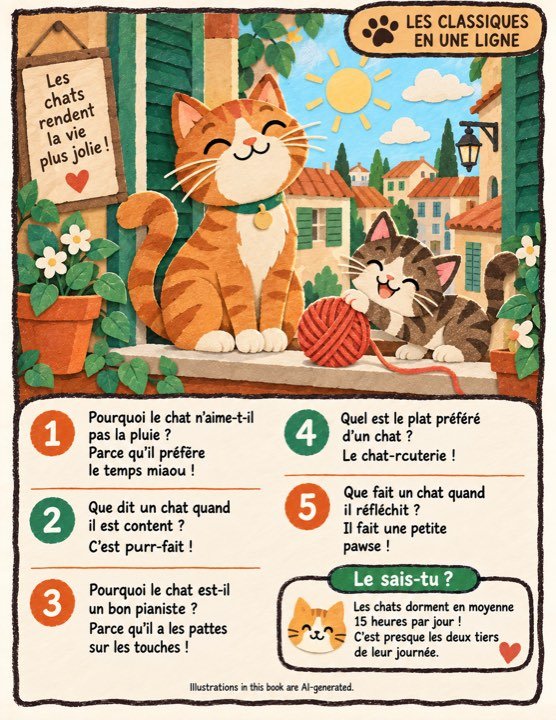
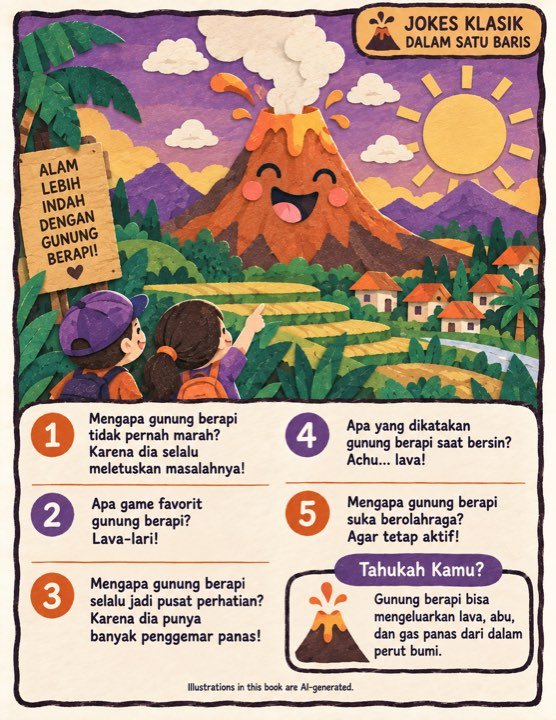
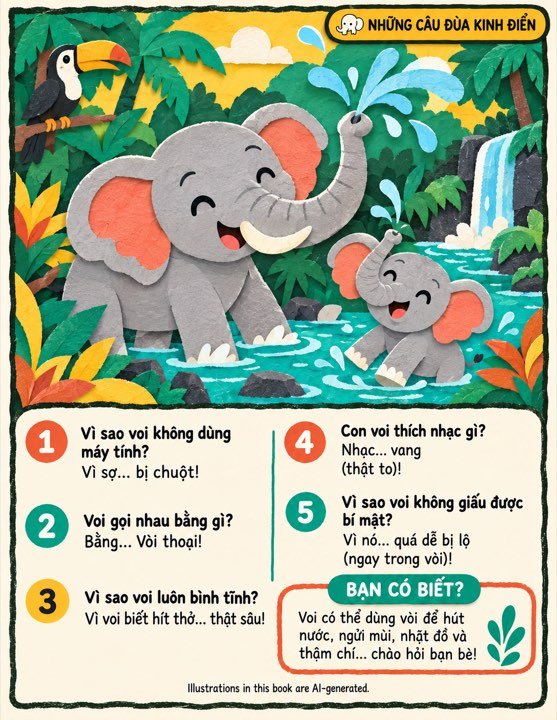
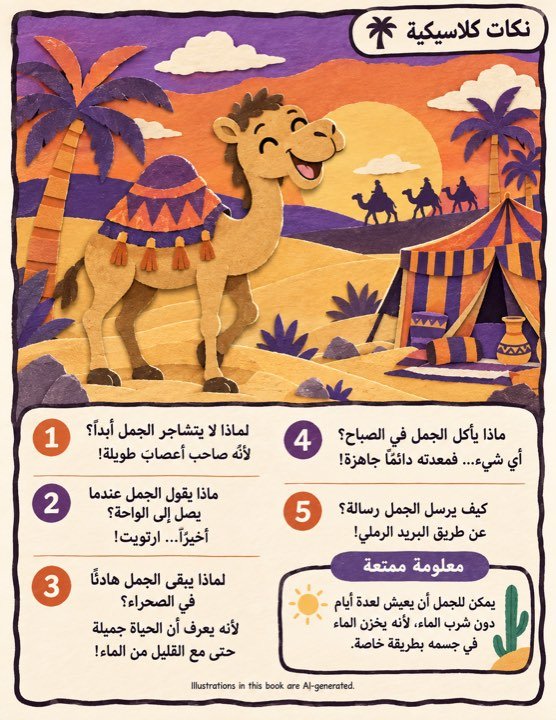
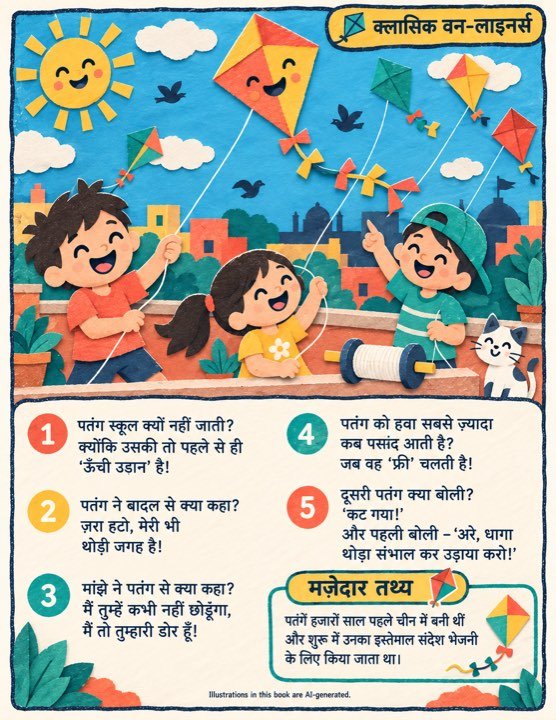
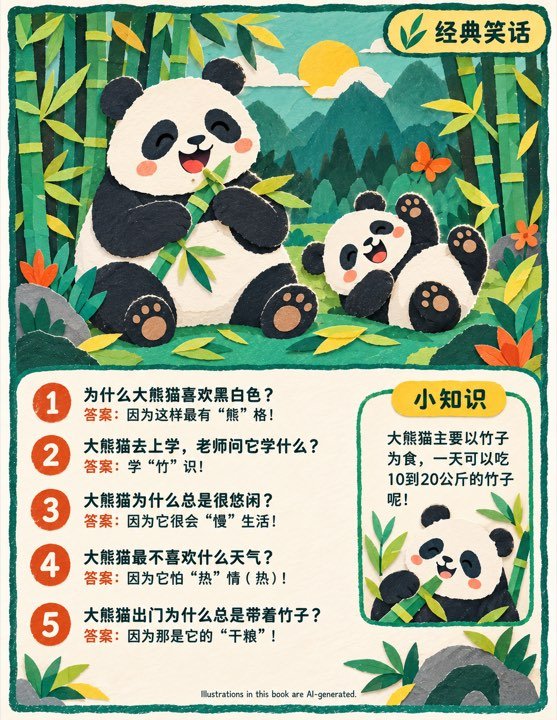
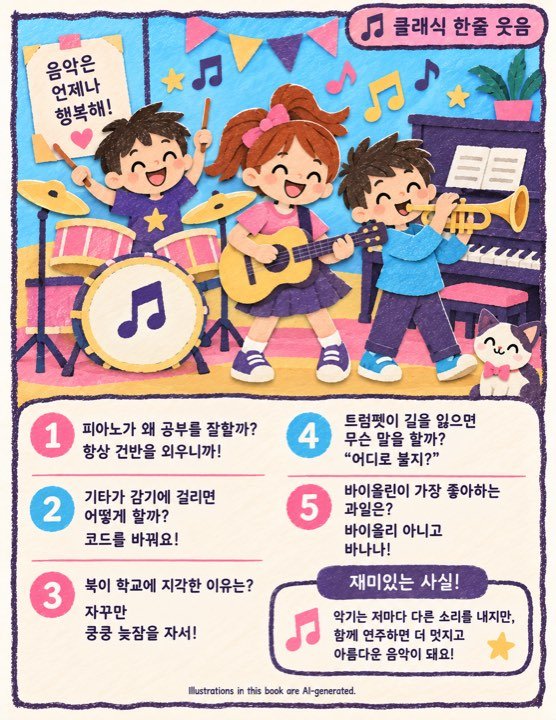
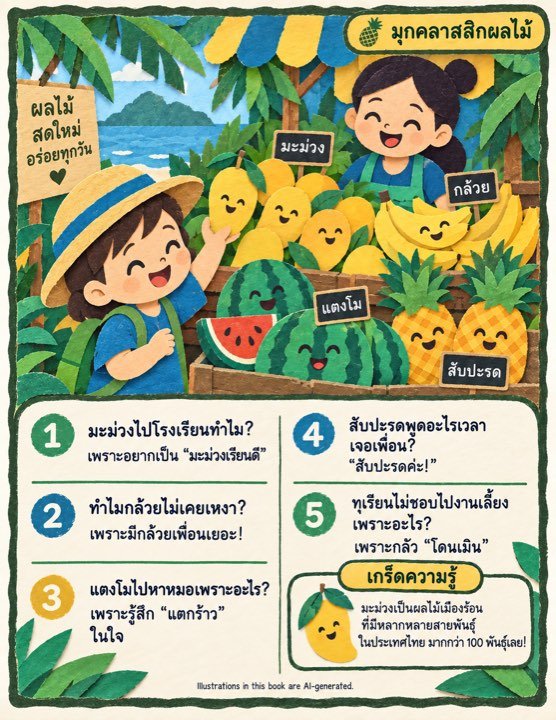
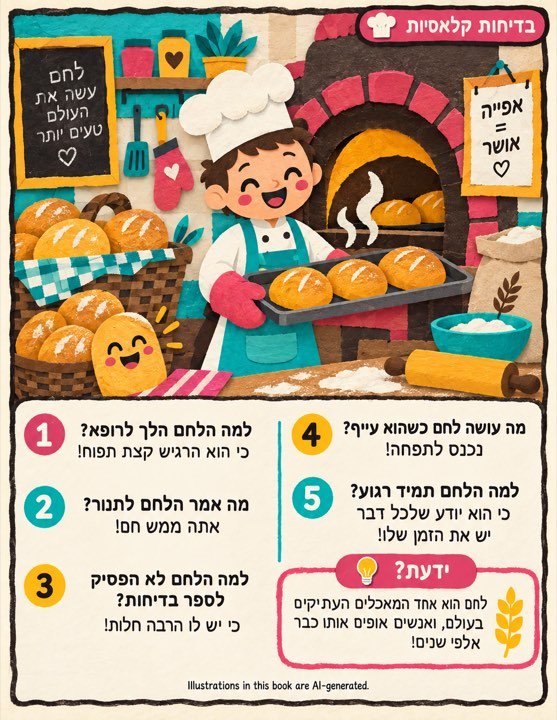
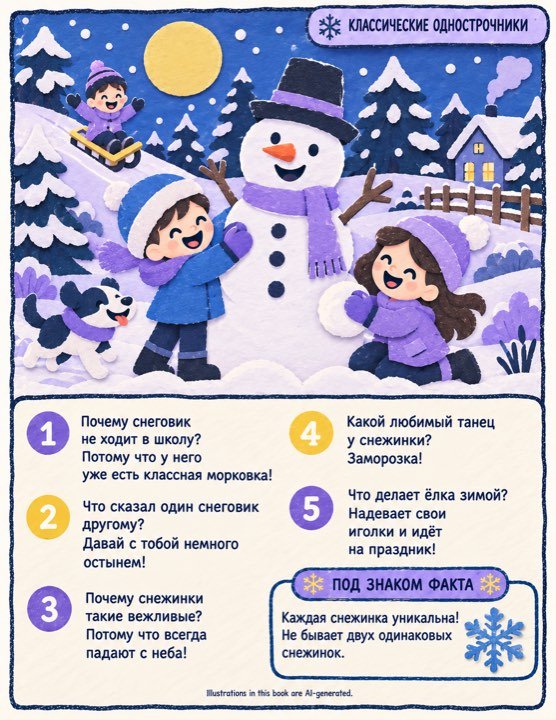
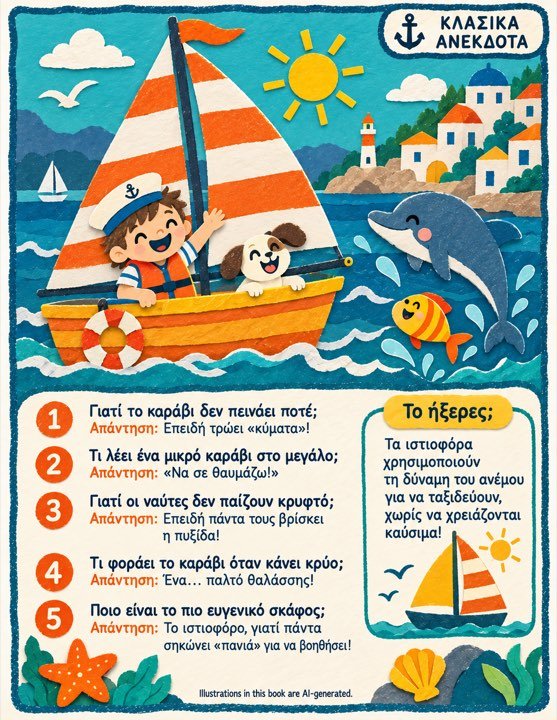
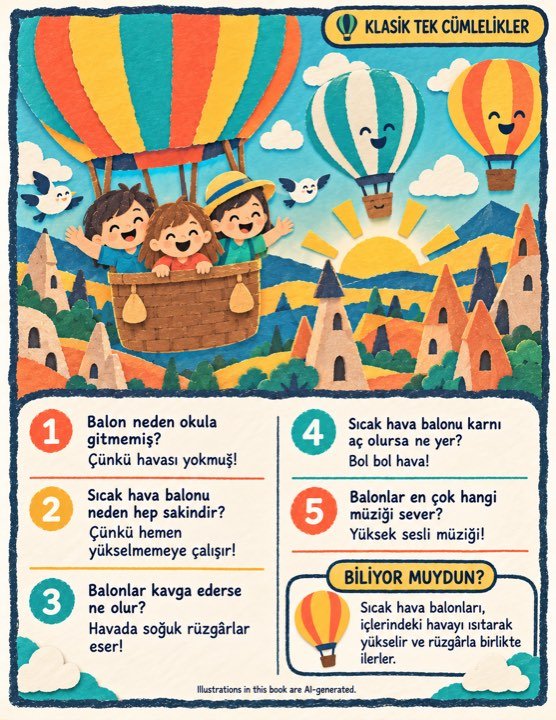
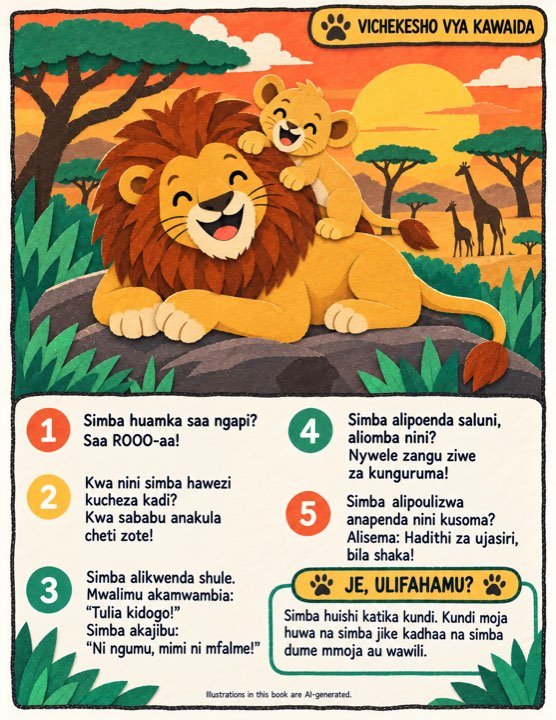
Language is one dropdown. Everything the prompts ask ChatGPT to write comes back in that language — the jokes, the activity instructions, the AI disclosure line, all of it.
First, the proof it is only a dropdown — the same page of the same book in three languages, nothing else touched.


A different keyword in each, because the language changes the jokes, not just the words. ChatGPT writes the wordplay natively — these are not English puns translated across.


The Agency Pack opens twenty-four further languages, including right-to-left scripts and the character sets most tools cannot set at all. Thirty-four in total.


Paperback in four core trim sizes, with the wraparound cover geometry and the spine width computed for each.
Sell the interior PDF as an instant download. No printing, no postage, no stock.
Activity pages and colouring editions are exactly what that market buys.
Print the B&W edition thirty times. It is the cheapest edition and it was made for this.
One book per topic, in the child's own reading level and language.
A joke book with the birthday child's favourite subject on the cover.
Make them for other people and charge for it. The licence covers it in writing.
The same book again in Spanish, French, German, Portuguese and six more.
One afternoon of writing becomes three listings at three price points.
So instead of making one book, you build a collection — from the same keyword, in the same afternoon.
Both columns end with the same two PDFs. The difference is how much of it you do by hand — and whether you could do it again tomorrow without thinking.
Every one of those minutes is you, at the desk, doing it.
Plus about 45 minutes of ChatGPT drawing, which needs nobody at the desk.
Five hours of your afternoon becomes about twenty minutes of it. Neither column is a promise — your first book will be slower than both, and your fifth will be faster.
Because every sale here is final, you deserve to know the limits before you pay, not after. Buyers who find them out afterwards always do.
Start with a keyword and let GiggleDeck organise the rest.
P.S. — The part that costs you an afternoon was never writing the jokes. It is deciding what goes on page 8, keeping page 30 looking like page 1, and working out a spine width to four decimal places. That is the part this removes.
P.P.S. — Not sure it fits? Read What it does, and what it does not do again. It is there so you can decide before you pay rather than after.